Exploring Global Cuisines: A Culinary Journey Through Flavor and Tradition
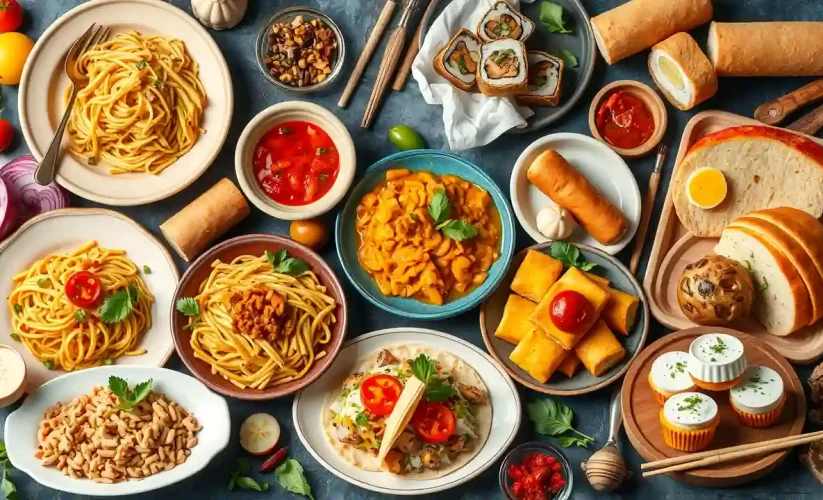
Traveling world cuisine is not only about trying to eat the food but rather engaging oneself in the cultures, past, and history of the practices that define the food. Every meal has a story and it is based on the local surroundings, history and the people making it. This blog will be able to bring you on a tour of different cuisines in the world with a different touch on flavors, ways of cooking and the traditions that make each cuisine special.
The Spirit of International Cuisines
World dishes are a rich region of variety and methods that make it so rich in terms of culinary art. Food usually represents cultural identity and heritage. Gaining knowledge about global cuisines entails knowing the history of the ingredients used, the mode of preparation and the regional differences that can be found within national borders.
Asian Cuisine: A Refrain of Tastes
Asian food is one of the richest and most tasty in the world. It represents an extensive culinary heritage of such countries as China, India, Japan, Thailand, and Vietnam with their own tastes and culinary customs.
Chinese Cuisine: Chinese cuisine is characterized by a balance of flavors and usually incorporates salty, sour, sweet and spicy. The diversity and richness of flavors is represented by such dishes as Peking duck, dim sum, and hot pot. It is necessary to use fresh products including vegetables and seafood.
Indian Cuisine: Indian cuisine is also known to be very spicy, and it is a great alternative of flavors. From aromatic biryanis to rich curries and traditional breads like naan and roti, every dish comes with a story of its area. The balanced use of herbs and spices such as turmeric, cumin, and coriander plays a central role in defining Indian culinary identity.
Japanese Cuisine: A praise to freshness and simplicity, Japanese food focuses on fresh products. The dishes such as sushi, sashimi, and ramen emphasize the art of presentation and the significance of umami.
The Mediterranean Culinary: Fresh and Tasty
Mediterranean food is defined by the use of fresh foods, healthy fats, and intense flavours. Such nations as Greece, Italy and Spain add to this rich cuisine.
Tasting of Greek cuisine: Greek cuisine is characterized by the usage of olive oil, fresh vegetables, seafood, etc. Moussaka, souvlaki, and Greek salad are the dishes that can be named as examples of Greek cuisine. The Mediterranean diet encourages a healthy diet, with the emphasis being made on vegetable foods and low protein foods.
Italian Cuisine: Italian cuisine is known to exhibit regional differences with the rich creamy sauce of the North, to the tomato based food of the South. Pasta, pizza and risotto are also part of the staple food, and local wines are usually served with them.
Middle Eastern Cuisine: A Tasteful Varying Patchwork
Middle Eastern dishes are a combination of flavours and textures, and are usually accompanied by aromatic spices and herbs. There are several different dishes served in such countries as Lebanon, Turkey and Iran, which are not only tasty, but also healthy.
Lebanese Cuisine: The Lebanese cuisine is known by its mezze which are miniature dishes accompanied by pita bread; hummus, tabbouleh and baba ghanoush. These dishes are enhanced by the use of fresh spices and herbs.
Turkish Cuisine: Turkish cuisine is a combination of Central Asian, Middle Eastern, and Mediterranean cuisines with such dishes as kebabs, baklava, and dolmas. The focus on grilled meat and spices forms a distinctive taste.
The Latin American Cuisine: A Meal of many flavors
Latin American cuisine is a product of diverse cultures and histories of the area. In Mexico, Brazil and Peru, it serves colorful and vibrant foods that bring out the local foods.
Mexican Cuisine: The Mexican cuisine is famous with its spicy meals, and use of such ingredients as corn, beans, and chili peppers, the Mexican cuisine includes tacos, enchiladas, and mole. The variety of tastes and the consistency determine the necessity of every dish.
Peruvian Food: Peruvian cuisine is known to be a blend of traditional and Spanish cuisines and it consists of recipes such as ceviche, lomo saltado, and aji de gallina. This cuisine is characterized by the use of fresh seafood and the use of local potatoes.
The African Cuisine: A Fabric of Richness
The diversity of African cuisine is simply enormous, and it is represented by various regions with their tastes and dishes. The cultures of North Africa can be traced through its culinary cuisine like tagines and the culinary cuisine of West Africa through jollof rice.
North African Cuisine: The cuisine of North Africa has been characterized by the use of spices and herbs, with couscous, tagines, and harira soup being just some of the cuisine. The combination of flavors and textures gives a special dining experience.
West African Cuisine: The cuisine of the West Africans is characterized by the hearty food which consists of jollof rice, fufu and egusi soup. These dishes require the use of local ingredients and assertive spices.
The Role of Food in Culture
There is a strong connection between food and cultural identity and social gatherings. Dinners are usually associated with families and friends and stories to share and celebrate. Special dishes that are characterized by festivals and holidays have cultural meaning and result in a more profound attachment to the past.
Conclusion
Travelling in the world of cuisines turns out to be a path beyond taste. It challenges us to enjoy the diverse traditions, histories and cultures that are embodied in every dish. When we take every bite, we do not only feed our body, but also read about the people and stories of the food. Both when you are feasting on a spicy curry, a sushi roll, a hearty tagine, all cuisines are the marvel of the world and the diversity of our food heritage.
FAQs
1. What constitutes international cuisines?
The global cuisines are characterized by the distinctive tastes, ingredients, and ways of cooking peculiar to various cultures all over the globe. Every cuisine tells about the history of the people, their geography and traditions.
2. I want to find a way of experiencing world cuisine at home.
Tasting unfamiliar dishes at home and cooking them with original ingredients and knowing the cultural values of the food is one of the ways to experience the global cuisine. Cooking class online and food blogs could be great assets.
3. What do you consider to be some of the common dishes in international cuisines?
Some of the food to order are sushi, a Japanese food, tacos, a Mexican food, curry, an Indian food and tagine, a Moroccan food. Each one of the dishes provides us with an insight into the culinary culture of the particular culture.
Travelling around the world is a fascinating journey that opens the world of tastes and culture and adds a new layer to our understanding of the art of cuisine.