
Healthy Food Trends: What’s Hot Right Now
The trends of healthy food are sweeping across the food and beverage industry, affecting how we consume and what we appreciate about what we take in our diets. The consumers are more choosier than ever in their food consumption in a more health, sustainability and nutrition conscious environment. This article explores the recent trends in healthy food that are changing our dishes and our palates, with an insight of what is hot and how it is shaping our general health.
The Emergence of Plant-Based Eating
The emergence of plant-based diet has been among the most notable changes over the last few years. It is not only a diet, but a way of life to most of them due to health reasons, environmental concerns and ethical factors. A report by Grand View Research indicates that the size of the global market of plant-based foods amounted to more than 29 billion in 2020 and that it will experience a compound annual growth rate (CAGR) of 11.9 per cent between 2021 and 2028.
A plant-based diet contains a lot of fruits, vegetables, whole grains, legumes, nuts and seeds. It is linked to several health benefits such as reduced chances of heart disease, obesity and Type 2 diabetes. The examples of real life are numerous, as restaurants that have created vegan menus, or grocery stores that sell substitutes of meat items, such as almond milk, pasta made of chickpea, and tacos made of jackfruit.
To provide one example, one of my friends, Jessica, switched to a plant-based diet last year. She was initially skeptical but she discovered that her energy levels were soaring and her digestion improved. She has now found pleasure in testing out new recipes, including lentil burgers, cauliflower wings, and has demonstrated that one can eat well and be satisfied.
Functional Foods Becoming Center Stage
The other trend that is becoming popular is functional foods. These are foods that contain health benefits, other than basic nutrition. They are also usually bioactive and may promote good health and decrease the risk of diseases. Common examples include:
Fermented foods: Fermented foods like yogurt, kefir, and kimchi are rich in probiotics that make the gut healthy.
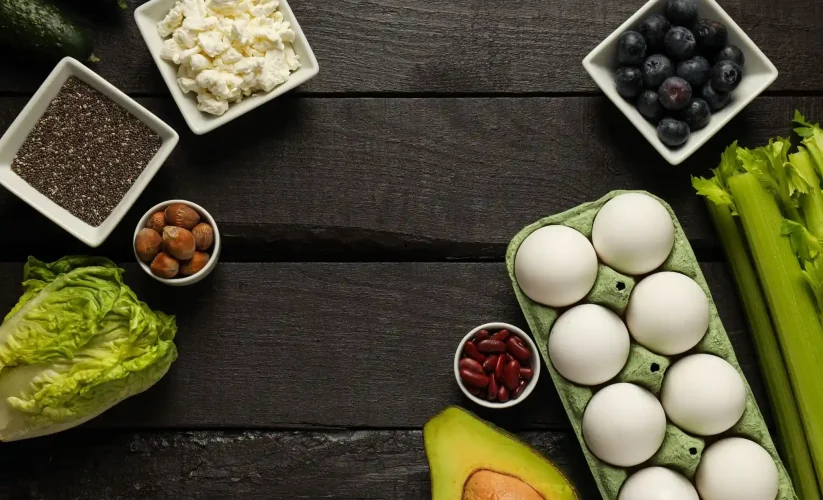
Superfoods: The foods containing high concentrations of nutrients such as quinoa, chia seeds and blueberries should be included.
Fortified foods: Fortified foods refer to products (such as fortified plant milks and cereals) that have vitamins and minerals added to them.
Experts are of the opinion that your health can be better when you include functional foods in your diet. According to Lisa Moskovitz, the registered dietitian, functional foods are an excellent option in increasing the amount of nutrients in your body without necessarily changing your whole diet. They are able to supply the necessary vitamins and minerals that might be deficient in your normal food.
The Popularity of Meal Kits
Meal kits have become a huge demand in the grocery industry, with an easy and convenient method of preparing healthy and home made meals without the inconvenience of shopping and meal preparation. To make the preparation of healthy food easy, such as Blue Apron and HelloFresh have simplified the process with ready-to-cook ingredients that are delivered directly to your door.
This is their trend that is appealing to busy people and families that desire to consume healthily, but they do not have time to shop and plan meals. Fresh ingredients and recipes that feature in meal kits usually encourage balanced eating meaning that consumers can have the opportunity to learn new cuisines and cooking techniques.
As an illustration, my brother has recently joined a meal kit service and has discovered that it has changed his dinner habits. He also found a renewed interest in cooking and loved the diversity of the healthy dishes he was able to explore, ranging between spicy Thai curry to Mediterranean quinoa bowls.
Focus on Local and Seasonal Food
Local and seasonal ingredients have also been highlighted as another health food trend. The consumers are increasingly conscious of the origin of their food and are opting to patronize the local markets and farmers. This not only helps in being sustainable but it also leads to fresher and tastier ingredients.
When purchasing locally produced food, it usually translates to the fact that fruits and vegetables were picked when they are at their optimal levels of ripeness and thus they have a better taste and nutritional value. Moreover, seasonal food promotes eating a wide variety of food, because it is in line with the natural plant growing season of various foods.
I recall going to a local farmer market with my family last summer. The bright colors and the appetizing smells of fresh produce could not be resisted. We stocked our basket with tomatoes, sweet peaches, and greens which were grown within several miles of our house. It was a pleasure to cook with these fresh ingredients and it was also good to contribute to local agriculture.
The Flexitarian Approach
The flexitarian diet is slowly becoming a trend due to its flexible aspects of eating habits, which focus on eating plant products and tolerate the consumption of some meat occasionally. The trend is appealing to the people who wish to enjoy the benefits of the plant-based diet without engaging fully in vegetarianism or veganism.
The flexitarian diet promotes the consumption of a diverse range of nutrients as well as decreasing the consumption of saturated fats and cholesterol present in meat because it emphasizes whole, minimally processed foods. It has been found that even modest changes in meat consumption can be enormous in health-related benefits.
As an example, one of my colleagues has taken a flexitarian diet to enhance his general health. He began adding more vegetables and legumes to his meals though still having a dish of steak or chicken occasionally. He discovered that he was more active and not bloated which shows that a flexible diet can bring about good health.
Sustainable Eating
One of the issues considered by contemporary consumers is sustainability and that explains why we have the trends in healthy food. The issue of the impact of their food decisions on the environment is growing among people. This tendency covers the issues of trimming down food waste to the selection of environmentally friendly wrappings and funding regenerative agriculture.
Reduced meat consumption to minimize carbon footprint is one of the examples of sustainable eating. Livestock farming has been cited by the United Nations as a major cause of greenhouse gases and many have considered a plant-based alternative to be more sustainable.
One of the local restaurants in my community has adopted sustainability through sourcing locally available foods such as those found in the local farms and recycling food scraps. They have even introduced a program to make people bring their containers to carry out to limit the number of single-use plastics. Such commitment to sustainability does not only work out to the advantage of the environment but also to the consumers who attach themselves to the principle of ethical dining experience.
The Trend of Mindful Eating
The concept of mindful eating is becoming increasingly popular in order to develop a healthier relationship with food. The idea behind this practice will make people listen to their hunger signals, enjoy every bite, and enjoy the process of eating without distraction. With a more conscious decision on what and how much they eat, people can make decisions about the sensory experience of eating.
The positive effects of mindful eating are backed by research, which has revealed that mindful eating is capable of bringing about healthier dietary habits, less emotional consumption, and better digestion. It also leads to a less negative attitude towards food, which eliminates feelings of guilt and anxiety towards eating.
I used to have the example where I have been able to satisfy myself more and eat less often when I take the time to slow down and enjoy my food unhurriedly and without distractions. Once it is a basic salad or a fancy meal, my enjoyment of every bite will enable me to experience all flavors and textures to the fullest.
How Technology Affects Healthy Eating
In the contemporary digital times, technology has a lot to contribute in determining the trends of healthy food. From mobile apps that monitor dietary intake to social media where healthy meals are featured, technology has enabled people to get information and motivation to eat healthily as never before.
Such websites as Instagram and Pinterest are overwhelmed with bright food photography, which pushes individuals towards new recipes and ingredients. Also, the food delivery apps have simplified the process of ordering healthy food in the restaurants or meal preparation services near the area.
One of my friends just began using a nutrition app to monitor his own eating habits and receive some personal recommendations. He discovered that the presence of this information in his fingertips inspired him to make more healthy decisions and remain responsible for his eating habits.
Conclusion
With the healthy food trends that keep on changing, it is evident that our eating habits are changing. Plant-based diets and functional foods, environmental friendliness and mindful eating all serve as trends of a new era of sensitivity to health, nutrition and environmental implications. Through adoption of these trends, we are able to make wise decisions that are not only beneficial to our health, but also the planet.
When discussing these trends, you should also keep in mind that the most important thing is to discover what suits you the best. Eating healthy needs to be fun, long-term and rewarding. Whether you are trying a new recipe, or you are promoting local farmers, or you are going flexitarian, each little step will lead to a healthier lifestyle. Then, treat yourself to these healthy eating trends, and find out what tasty options are available to you!