What Are Quick Cooking Hacks and Why Are They Useful?
Quick cooking hacks are often misunderstood. Many people think they are lazy shortcuts or internet tricks with little real value. In reality, effective cooking hacks are efficiency tools. They help experienced cooks reduce friction, manage time better, and stay consistent in the kitchen. When used correctly, these hacks do not lower food quality. They improve control, reduce stress, and make home cooking sustainable. This article explores the deeper cooking hacks’ benefits, focusing on real-world use, decision-making, and long-term impact rather than gimmicks.
Defining Quick Cooking Hacks in a Modern Kitchen Context
Quick cooking hacks are repeatable techniques that simplify preparation, cooking, or cleanup without sacrificing results. They are not about skipping essential steps. They are about removing unnecessary ones. In a modern kitchen, efficiency matters because time, energy, and focus are limited. Experienced cooks use hacks to streamline movement, reduce waiting, and maintain consistency across meals. A good hack fits naturally into the cooking process and feels logical rather than forced.
True cooking hacks are based on understanding heat, timing, and ingredients. They work because they respect how food behaves. When a hack improves workflow and results at the same time, it becomes a skill multiplier rather than a shortcut.
Why Cooking Speed Matters More Than Ever
Speed in cooking is no longer a luxury. It directly affects how often people cook at home and how healthy their meals are. When cooking feels slow and overwhelming, people rely more on takeout or processed food. Cooking hacks’ benefits extend beyond saving minutes. They support better daily decisions.
Time Pressure and Daily Decision Fatigue
Modern schedules create constant decision fatigue. Choosing what to cook, how to prepare it, and when it will be ready all add mental load. Faster cooking reduces this burden. When meals take less effort, people are more likely to cook consistently. Cooking hacks reduce hesitation and make starting easier, which is often the biggest barrier.
Efficiency Without Quality Loss
Speed does not have to mean lower quality. With the right techniques, food can taste better and cook more evenly. Efficient methods reduce overcooking and rushed mistakes. Cooking hacks’ benefits include better timing, improved texture, and more reliable outcomes.
The Strategic Benefits of Cooking Hacks
Cooking hacks create value when applied intentionally. They are not random tricks. They are systems that improve how the kitchen functions.
Improved Kitchen Workflow and Organization
Efficient cooking reduces unnecessary movement. When ingredients are prepped logically and tools are placed correctly, cooking feels smoother. Hacks that improve workflow help cooks stay focused and avoid multitasking errors. Over time, this creates a calmer kitchen environment.
Energy and Resource Optimization
Cooking hacks’ benefits also include lower energy use and less waste. Faster cooking methods often require less heat and shorter appliance use. Smart portioning and preparation reduce food waste. Cleanup becomes easier when fewer tools are used, saving time after the meal as well.
Preparation Hacks That Deliver Immediate Time Savings
Most cooking time is lost before the heat is even applied. Preparation is where efficiency gains matter most.
Ingredient Pre-Processing and Smart Storage
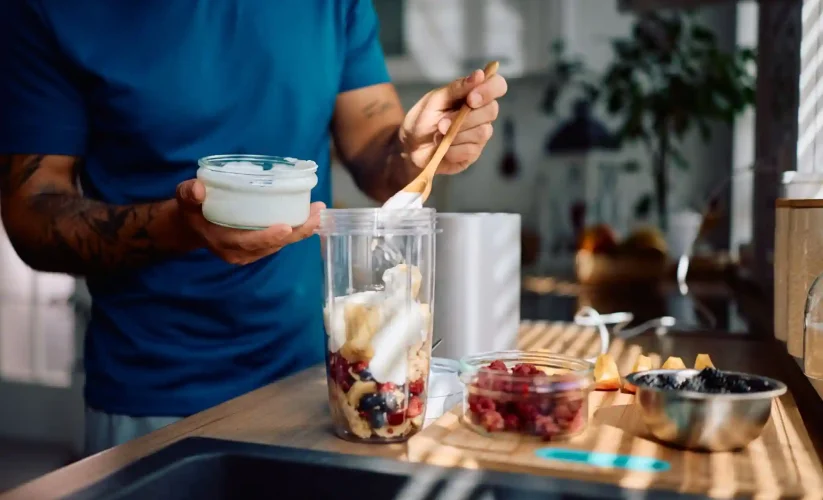
Washing, chopping, and portioning ingredients ahead of time reduces daily cooking effort. Pre-processed ingredients do not mean processed food. It means preparing raw ingredients when time allows. Proper storage keeps ingredients fresh and ready to use, making cooking feel lighter and faster.
Knife Skills and Tool Selection Shortcuts
Good knife technique is one of the most underrated cooking hacks. Efficient cutting saves time and improves consistency. The right tools also matter. Using a sharp knife, a stable cutting board, and the correct pan size reduces effort and improves results. These small choices compound over time.
Cooking Process Hacks That Accelerate Results
Once cooking begins, timing and heat control determine speed and quality.
Heat Management and Pan Efficiency
Understanding how heat transfers through cookware is a powerful advantage. Preheating pans properly reduces cooking time and improves browning. Matching pan size to food quantity prevents uneven cooking. These hacks save minutes while enhancing flavor and texture.
One-Pan and Layered Cooking Techniques
Cooking multiple components in one pan reduces both time and cleanup. Layered cooking allows ingredients to be added at different stages based on their cooking needs. This approach requires planning but rewards efficiency. It also reduces the number of dishes used, which saves time after the meal.
Flavor-Building Hacks That Save Time
Fast cooking does not have to mean bland food. Flavor can be built efficiently with the right approach.
Concentrated Flavor Techniques
Using flavor concentrates such as pastes, reductions, or pre-made bases speeds up cooking without sacrificing depth. These ingredients deliver complexity quickly. They are especially useful for weeknight cooking when time is limited, but flavor still matters.
Timing-Based Seasoning Strategies
Seasoning at the right moment improves flavor more than adding extra spices. Early seasoning builds depth, while finishing touches add brightness. Understanding when to season is a key cooking hack that improves taste without adding steps.
Cleanup and Post-Cooking Efficiency Hacks
Efficiency does not end when cooking stops. Cleanup habits matter just as much.
Minimal-Cleanup Cooking Methods
Cooking with fewer tools reduces washing time. Using parchment, liners, or multi-purpose cookware simplifies cleanup. These hacks make cooking feel less exhausting and more sustainable on busy days.
Smart Cooling and Storage Practices
Cooling food properly before storage preserves texture and safety. Storing leftovers in clear, portioned containers makes future meals easier. These habits turn one meal into several, extending the benefits of cooking effort.
When Cooking Hacks Backfire
Not every hack works in every situation. Knowing when not to use them is part of expertise.
Over-Optimization Risks
Trying to make every step faster can reduce enjoyment and quality. Some dishes benefit from slower methods. Rushing these processes can flatten flavors or ruin texture. Cooking hacks’ benefits disappear when speed becomes the only goal.
Context-Based Decision Making
Experienced cooks choose hacks based on context. A quick weekday meal and a weekend dinner require different approaches. Understanding when to slow down is just as important as knowing how to speed up.
Long-Term Impact of Using Cooking Hacks Consistently
Consistency turns individual hacks into a lifestyle advantage.
Habit Formation and Kitchen Confidence
When cooking feels manageable, confidence grows. Efficient habits reduce avoidance and hesitation. Over time, cooks become more comfortable experimenting and adapting. Cooking hacks’ benefits include increased skill and reduced stress.
Sustaining Healthy Home Cooking
Speed supports consistency. When meals are easier to prepare, people cook at home more often. This supports better nutrition and stronger routines. Cooking hacks make healthy eating more realistic rather than idealistic.
Who Benefits Most From Quick Cooking Hacks
Cooking hacks are useful for many people, but especially those with limited time and high responsibility. Professionals, parents, and experienced home cooks benefit from reduced friction and improved predictability. These hacks are also valuable for people trying to maintain healthy habits despite busy schedules. The key is choosing hacks that align with personal goals rather than copying trends blindly.
Conclusion
Quick cooking hacks are not about cutting corners. They are about cooking smarter. When applied intentionally, they improve speed, consistency, and confidence in the kitchen. The real cooking hacks’ benefits show up over time, not in a single meal. They reduce stress, support healthier habits, and make home cooking feel achievable even on demanding days.
Experienced cooks understand that efficiency is a skill, not a compromise. By refining preparation, mastering timing, and choosing the right shortcuts, cooking becomes more enjoyable and sustainable. The goal is not to cook faster at any cost. It is to cook better with less friction. When hacks support that goal, they become essential tools rather than temporary tricks.