How Can You Prepare Low Carb Dinners Quickly and Easily?


Preparing healthy meals after a long day can feel like an impossible task. Between work responsibilities, family commitments, and daily errands, many people struggle to find enough time to cook nutritious dinners from scratch. As a result, takeout meals, processed foods, and high-carbohydrate convenience options often become the default choice. While these meals may save time, they rarely support long-term health goals or provide balanced nutrition. This is why low carb dinners have become increasingly popular among people looking for practical ways to eat healthier without spending hours in the kitchen.
A low carb dinner focuses on reducing refined carbohydrates while emphasizing high-quality proteins, healthy fats, and nutrient-rich vegetables. Contrary to common misconceptions, these meals are not bland or overly restrictive. Modern low carb cooking embraces a wide variety of fresh ingredients, flavorful seasonings, and creative substitutions that make dinner satisfying, delicious, and surprisingly easy to prepare.
One of the greatest advantages of low carb dinners is their versatility. Whether you enjoy chicken, seafood, beef, eggs, tofu, or plant-based proteins, there are countless meal combinations that can be prepared quickly without sacrificing taste. Many recipes require only one pan, minimal preparation, and simple cooking techniques, making them ideal for busy households and beginners alike.
This guide explores practical strategies for creating quick and easy low carb dinners that fit into everyday life. From understanding the basics of low carb cooking to organizing your kitchen for faster meal preparation, you will learn how to build satisfying dinners that support both your health and your schedule.
Why Low Carb Dinners Have Become a Popular Lifestyle Choice
Healthy eating trends continue to evolve, but the popularity of low carbohydrate meals has remained remarkably consistent. Many people choose low carb dinners because they help reduce reliance on heavily processed foods while encouraging more whole-food ingredients. Meals centered around lean proteins, colorful vegetables, healthy fats, and fresh herbs often provide lasting satisfaction without the sluggish feeling that can follow large, refined carbohydrate-heavy dinners.
For individuals pursuing weight management goals, low carb dinners can also make portion control easier. Protein and fiber-rich vegetables promote fullness, reducing the likelihood of late-night snacking. Many people report more stable energy levels throughout the evening when meals contain fewer refined carbohydrates and more nutrient-dense ingredients.
Beyond weight management, low carb eating appeals to people seeking greater flexibility in meal planning. Instead of following rigid diets, many households simply reduce unnecessary carbohydrates while enjoying a broad range of wholesome foods. This balanced approach makes healthy eating more sustainable over the long term.
Another reason these meals continue gaining popularity is convenience. Many low carb dinners rely on ingredients that cook quickly and require minimal preparation, allowing families to prepare nutritious meals even on busy weeknights.
Understanding What Makes a Dinner Low in Carbohydrates
Choosing Ingredients That Naturally Contain Fewer Carbs
Creating successful low carb dinners begins with understanding which foods naturally contain fewer carbohydrates. Rather than focusing solely on eliminating ingredients, successful meal planning emphasizes replacing them with equally satisfying alternatives.
Lean proteins such as chicken breast, turkey, fish, shrimp, lean beef, eggs, and tofu form the foundation of many low carb meals. These ingredients provide high-quality protein while containing very few carbohydrates.
Vegetables also play a central role. Leafy greens, broccoli, cauliflower, zucchini, mushrooms, asparagus, green beans, spinach, cabbage, peppers, and Brussels sprouts provide vitamins, minerals, antioxidants, and fiber without adding excessive carbohydrates.
Healthy fats from foods such as avocados, olive oil, nuts, seeds, and certain cheeses enhance flavor while improving meal satisfaction. Combined together, these ingredients create balanced dinners that feel complete without depending on refined starches.
Replacing High-Carbohydrate Staples
Traditional dinners often revolve around rice, pasta, potatoes, or bread. While these foods can certainly fit into balanced eating patterns, reducing their portions or replacing them with vegetable-based alternatives can significantly lower overall carbohydrate intake.
Cauliflower rice offers a popular substitute for white rice while providing additional nutrients and fiber. Spiralized zucchini can replace traditional pasta in many recipes without compromising flavor. Mashed cauliflower serves as a creamy alternative to mashed potatoes, especially when prepared with herbs and garlic.
These substitutions allow people to continue enjoying familiar meal styles while naturally reducing carbohydrate consumption.
Planning Ahead to Make Dinner Preparation Easier
One of the biggest obstacles to healthy eating is lack of preparation. Even highly motivated individuals often choose convenience foods when healthy ingredients require extensive preparation after a busy day.
Meal planning solves this problem by reducing daily decision-making. Spending a small amount of time each week organizing dinner ideas simplifies grocery shopping and eliminates uncertainty during busy evenings.
Preparing ingredients in advance further reduces cooking time. Washing vegetables, marinating proteins, chopping onions, preparing sauces, and portioning ingredients ahead of time allows dinners to come together much more quickly.
Keeping commonly used ingredients readily available also supports consistency. Stocking items such as frozen vegetables, eggs, grilled chicken, canned tuna, shredded cheese, herbs, and healthy cooking oils provides flexibility when unexpected schedule changes occur.
A well-organized kitchen transforms healthy cooking from a stressful task into a manageable daily routine.
Building Balanced Low Carb Dinners That Keep You Full
Combining Protein, Healthy Fats, and Vegetables
One reason some people struggle with low carbohydrate eating is that they unintentionally remove carbohydrates without replacing them with satisfying nutrients. Successful low carb dinners focus on creating balanced meals rather than simply eliminating certain foods.
Protein should remain the centerpiece of most dinners because it supports muscle maintenance while promoting fullness. Pairing protein with generous servings of colorful vegetables adds volume, fiber, vitamins, and minerals that contribute to overall health.
Healthy fats further improve meal satisfaction by enhancing flavor and slowing digestion. Olive oil drizzled over roasted vegetables, sliced avocado alongside grilled chicken, or a handful of toasted nuts added to salads can transform simple meals into satisfying dinners.
This combination helps prevent hunger shortly after eating while supporting consistent energy throughout the evening.
Using Herbs and Seasonings to Add Flavor
One misconception about low carb cooking is that it lacks flavor. In reality, reducing refined carbohydrates often allows the natural flavors of fresh ingredients to become more noticeable.
Fresh herbs such as basil, parsley, cilantro, rosemary, thyme, dill, and oregano provide vibrant flavor without adding carbohydrates. Garlic, ginger, smoked paprika, cumin, turmeric, black pepper, chili flakes, lemon juice, and citrus zest also enhance meals naturally.
Homemade seasoning blends allow greater control over ingredients while avoiding unnecessary sugars sometimes found in packaged sauces. Simple combinations of herbs and spices can completely transform familiar ingredients into exciting meals that never feel repetitive.
Thoughtful seasoning makes healthy eating enjoyable, increasing the likelihood that low carb dinners become a sustainable lifestyle rather than a temporary diet.
Quick Cooking Techniques That Save Time Every Evening
One of the biggest advantages of preparing low carb dinners is that many of the healthiest ingredients cook remarkably fast. Unlike casseroles or elaborate baked dishes that require extended cooking times, lean proteins and fresh vegetables often come together in less than thirty minutes. Choosing cooking methods that preserve flavor while minimizing preparation makes healthy eating much easier to maintain during busy weekdays.
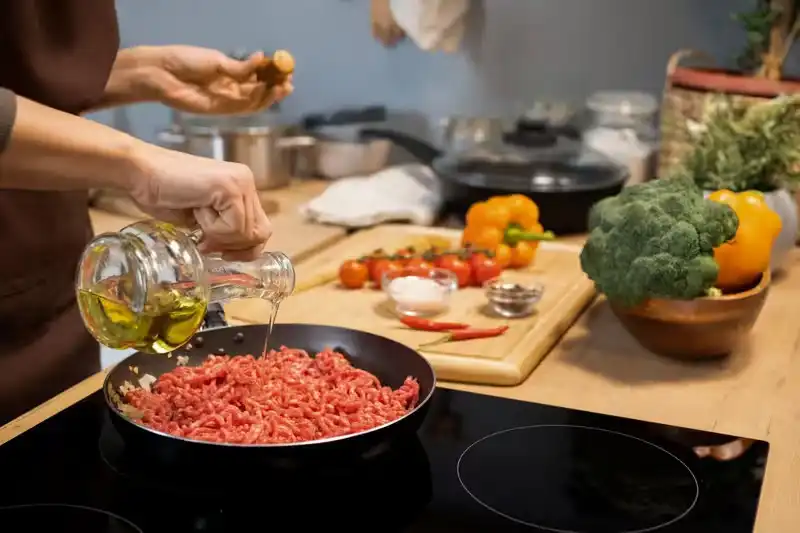
Stir-frying is one of the quickest options because it uses high heat to cook vegetables and proteins rapidly without sacrificing texture. Thin slices of chicken, shrimp, lean beef, or tofu cook within minutes when paired with vegetables such as broccoli, peppers, zucchini, mushrooms, and snap peas. A simple sauce made with garlic, ginger, soy sauce or coconut aminos, sesame oil, and fresh herbs creates restaurant-quality flavor with very little effort.
Roasting also provides exceptional convenience. Vegetables tossed with olive oil and herbs can roast alongside seasoned chicken breasts, salmon fillets, or turkey cutlets on the same baking tray. This one-pan approach reduces cleanup while allowing flavors to develop naturally during cooking.
Grilling remains another excellent technique for low carb meals. Whether using an outdoor grill, grill pan, or electric grill, proteins cook quickly while developing rich flavor. Pairing grilled meats with fresh salads or roasted vegetables creates balanced dinners that require minimal preparation.
Even pressure cookers and air fryers have become valuable tools for healthy cooking. They shorten cooking times significantly while maintaining moisture and texture, making weeknight dinners far more manageable for busy households.
Choosing Ingredients That Simplify Meal Preparation
Stocking a Low Carb Pantry
Preparing quick dinners becomes much easier when your kitchen is stocked with versatile ingredients that can be combined in multiple ways. A thoughtfully organized pantry eliminates last-minute grocery trips and reduces the temptation to order takeout.
Healthy oils, canned tomatoes without added sugar, herbs, spices, nuts, seeds, vinegars, mustard, low-sugar sauces, canned tuna, and shelf-stable broths provide countless possibilities for fast meals. Frozen vegetables also deserve a permanent place in the freezer because they retain much of their nutritional value while reducing preparation time.
Keeping these essentials available allows you to create nutritious dinners even when fresh ingredients are limited.
Refrigerating Ready-to-Use Ingredients
The refrigerator can become one of your greatest time-saving resources. Prewashed leafy greens, shredded cabbage, chopped vegetables, boiled eggs, cooked chicken, plain Greek yogurt, fresh herbs, and shredded cheese all contribute to faster meal preparation.
Preparing proteins in larger batches during weekends is particularly helpful. Grilled chicken, baked salmon, roasted turkey, or cooked ground beef can easily become completely different meals throughout the week simply by changing vegetables, herbs, and sauces.
This approach reduces cooking time dramatically while preventing food waste and supporting healthier eating habits.
Easy Meal Combinations for Busy Weeknights
One reason people struggle with healthy eating is decision fatigue. After making countless decisions throughout the day, deciding what to cook often feels overwhelming. Having several reliable meal combinations eliminates this stress.
Grilled chicken served with roasted broccoli and garlic cauliflower mash provides a satisfying dinner rich in protein and vegetables. Baked salmon paired with asparagus and lemon butter delivers heart-healthy fats while requiring very little preparation. Turkey meatballs served over zucchini noodles with homemade tomato sauce create a comforting meal without relying on traditional pasta.
Egg-based dinners also offer tremendous convenience. Vegetable omelets filled with spinach, mushrooms, peppers, and cheese cook within minutes while providing excellent nutrition. Scrambled eggs served alongside avocado and sautéed vegetables create another balanced option for evenings when time is especially limited.
For plant-based eaters, tofu stir-fries, cauliflower curries, stuffed peppers, or hearty vegetable skillets deliver satisfying meals without excessive carbohydrates.
Keeping several dependable meal combinations in rotation reduces stress while preventing boredom.
Making Low Carb Dinners Enjoyable for the Entire Family
Creating Meals Everyone Will Appreciate
Families often worry that preparing healthier dinners means cooking separate meals for different household members. Fortunately, low carb dinners can easily be adapted to suit a variety of preferences without creating extra work.
Instead of completely eliminating carbohydrates, families can build meals around proteins and vegetables while allowing optional additions such as rice, bread, or potatoes for those who prefer them. This flexible approach keeps everyone satisfied without requiring multiple dinners.
Children also tend to respond well to familiar flavors. Homemade meatballs, grilled chicken strips, baked fish, taco bowls, stuffed peppers, and cheesy vegetable casseroles often appeal to younger family members while remaining consistent with low carb principles.
Presenting vegetables creatively through colorful combinations and flavorful seasonings encourages greater acceptance than simply serving steamed vegetables repeatedly.
Avoiding the Feeling of Restriction
Successful healthy eating should never feel like punishment. One of the reasons many restrictive diets fail is that they emphasize what people cannot eat instead of celebrating the abundance of nutritious foods available.
Low carb dinners should feel satisfying, colorful, and enjoyable. Rich herbs, flavorful sauces, roasted vegetables, creamy avocado, grilled seafood, and perfectly seasoned meats provide tremendous variety. Rather than focusing on missing ingredients, emphasize exciting flavors and fresh combinations that naturally make meals more enjoyable.
When meals feel abundant rather than restrictive, maintaining healthier eating habits becomes significantly easier over time.
Smart Meal Prep Strategies for Faster Evenings
Meal preparation is one of the most effective ways to ensure healthy dinners remain practical even during hectic weeks. Investing a few hours in preparation during weekends often saves several hours throughout the following week.
Batch cooking proteins allows them to be incorporated into multiple recipes. A large tray of roasted vegetables can accompany several different dinners with only minor adjustments in seasoning. Homemade salad dressings stored in the refrigerator simplify meal assembly while reducing reliance on processed sauces.
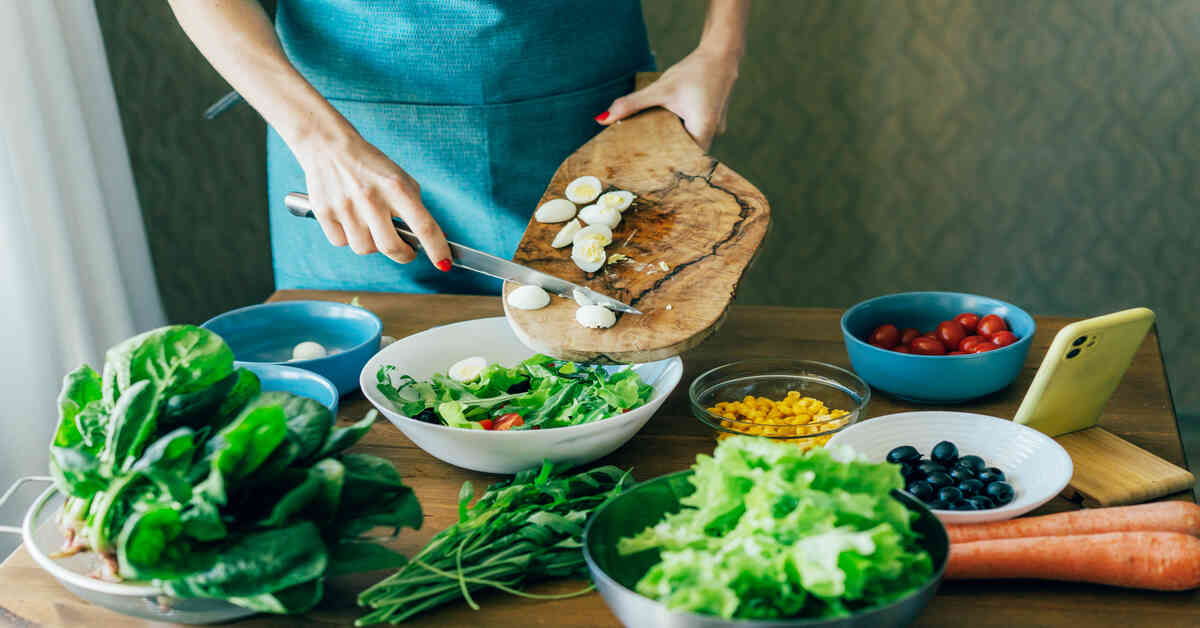
Chopping vegetables ahead of time also speeds up cooking considerably. Keeping containers of sliced peppers, onions, broccoli, zucchini, mushrooms, and leafy greens ready for use transforms weeknight cooking into a quick assembly process rather than an extensive preparation session.
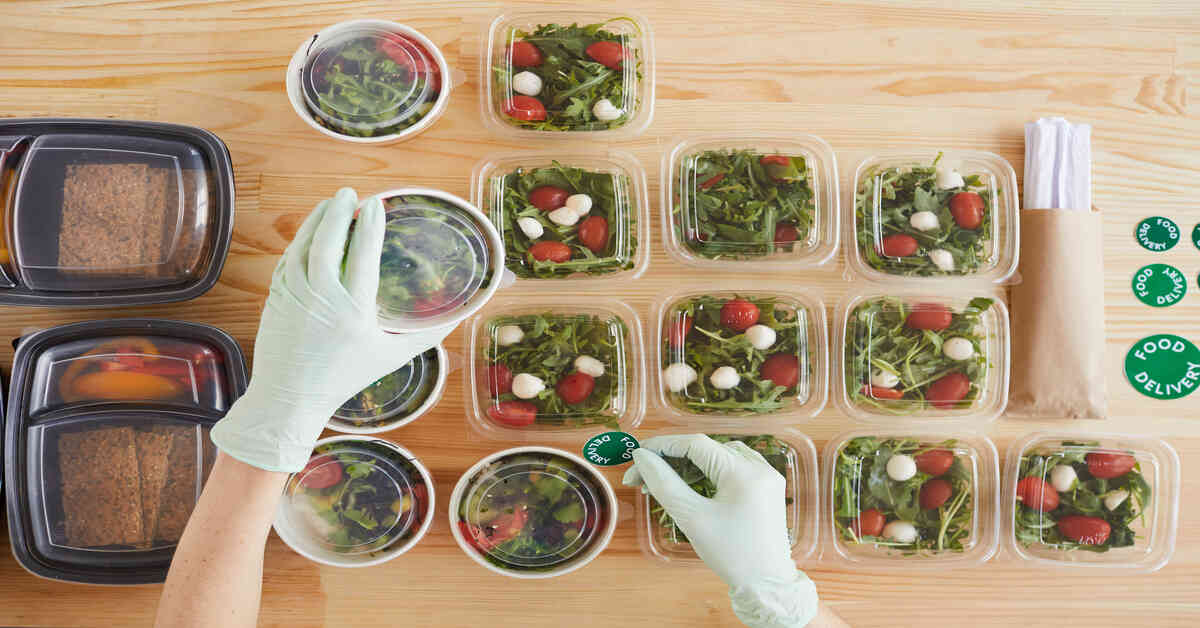
Portioning ingredients into meal-sized containers further improves convenience while supporting balanced eating habits. This system helps reduce food waste and makes healthy choices easier during busy evenings.
FAQs
Are low carb dinners suitable for everyday meals?
Yes. Low carb dinners can easily become part of a balanced daily eating pattern when they include lean proteins, healthy fats, vegetables, and nutrient-rich whole foods. Variety is important, so rotating ingredients and recipes helps ensure you receive a wide range of vitamins, minerals, and other essential nutrients.
How can I prepare low carb dinners in under 30 minutes?
Choose fast-cooking proteins such as chicken breast, shrimp, fish, eggs, or tofu, and pair them with vegetables that cook quickly. Preparing ingredients in advance, using one-pan recipes, and relying on cooking methods like stir-frying, grilling, roasting, or air frying significantly reduces preparation and cleanup time.
Can low carb dinners help with weight management?
Low carb dinners may support weight management because meals rich in protein and fiber often increase fullness and reduce unnecessary snacking. However, lasting results depend on overall eating habits, portion sizes, physical activity, and maintaining a balanced lifestyle rather than focusing on carbohydrates alone.