What Are the Best Keto Food Trend Recipes for Breakfast, Lunch, and Dinner?

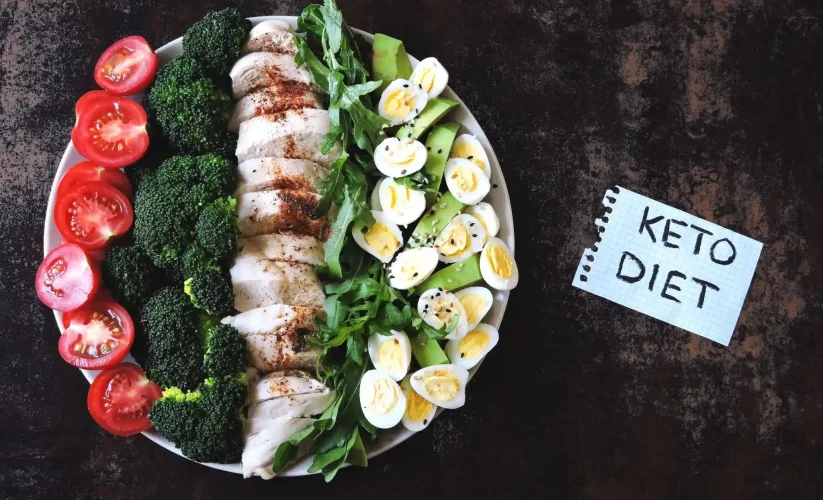
There is a moment that almost everyone who commits seriously to ketogenic eating experiences at some point, usually around the end of the first week. The novelty of the approach has worn off. The initial energy from cutting carbs is not yet the clean, sustained mental clarity that long-term keto practitioners describe. And the food, which seemed excitingly different at first, has started to feel repetitive and limiting in a way that makes you wonder whether this is really sustainable. That moment is where most people abandon the keto diet, not because the science stopped working but because the recipes stopped being interesting. The keto food trend has matured enormously in recent years, and the most exciting development in that maturation is not a new supplement or a new macro calculation tool. It is the explosion of genuinely creative, genuinely delicious keto food trend recipes that have emerged from a growing community of chefs, food bloggers, and home cooks who refused to accept that eating low-carb meant eating joylessly. This guide is about those recipes: the best, most innovative, most satisfying examples of what keto cooking looks like when it is done with real culinary ambition and real respect for the pleasure of eating well.
Understanding the Keto Food Trend Before You Cook
Before diving into specific keto food trend recipes, it is worth understanding what makes a recipe genuinely keto and how the approach to ketogenic cooking has evolved from its clinical origins into one of the most creative food trends in contemporary cuisine. This context matters because it determines which creative substitutions and innovations actually work and which produce food that is technically keto but genuinely unpleasant to eat.
The ketogenic diet is built around a fundamental metabolic shift. By reducing carbohydrate intake to typically below fifty grams per day and often below twenty grams for strict ketosis, the body is deprived of its preferred fuel source and shifts to burning fat for energy through a process that produces ketone bodies. The macronutrient distribution that supports this metabolic state is approximately seventy to seventy-five percent of calories from fat, twenty to twenty-five percent from protein, and five to ten percent from carbohydrates. These ratios are not approximate guidelines. They are the specific nutritional architecture that the ketogenic recipes you will cook need to support.
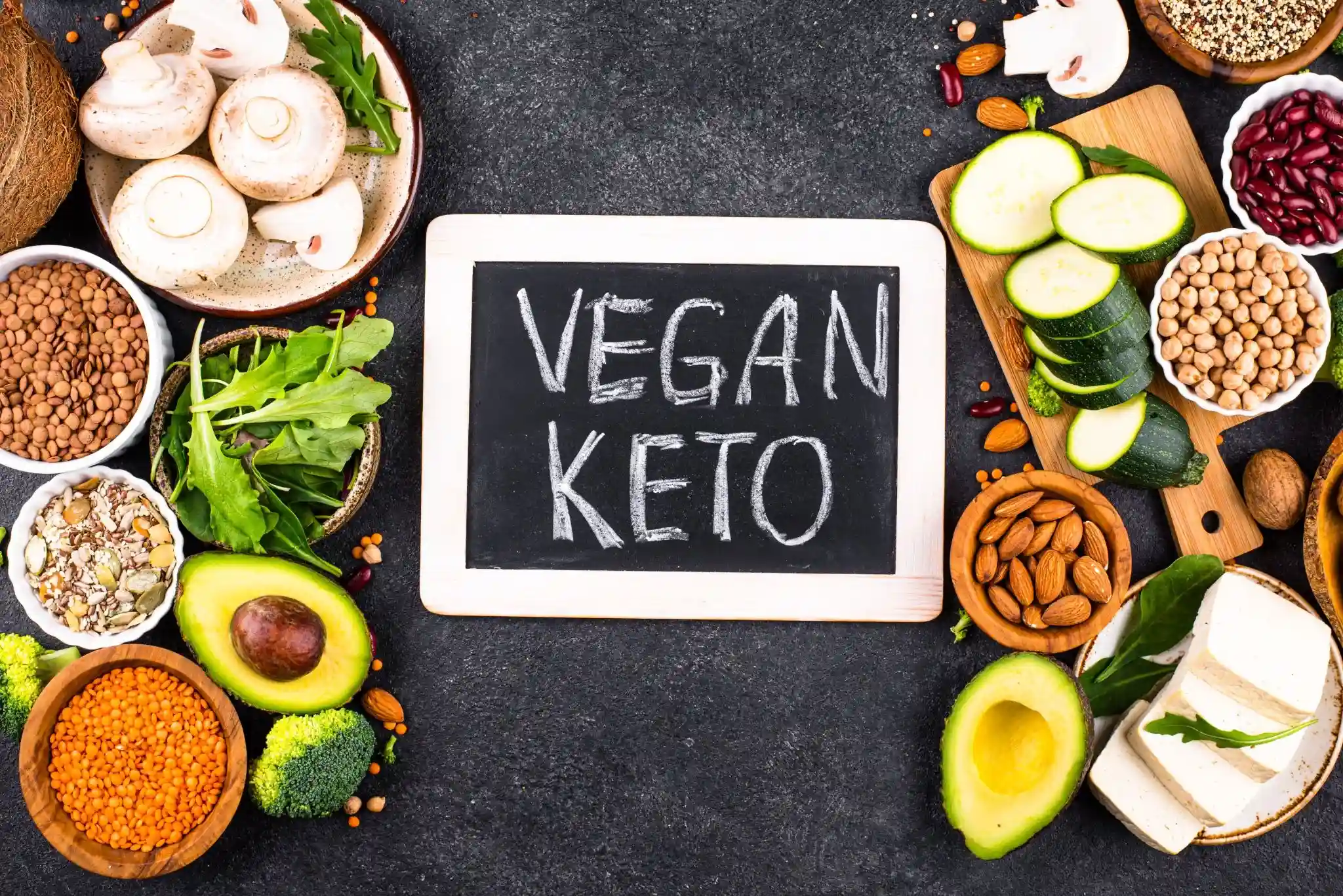
The evolution of keto food trend recipes over the past decade reflects a growing understanding that working within these constraints does not require sacrificing culinary sophistication. The early generation of keto recipes was largely characterized by simple substitutions: replace bread with lettuce wraps, replace pasta with zucchini noodles, replace sugar with erythritol. These substitutions work in a narrow technical sense but often produce food that tastes like a lesser version of the original rather than something genuinely satisfying in its own right. The most exciting current keto food trend recipes take a different approach. They build dishes around ingredients that are naturally, inherently suited to ketogenic eating, that celebrate fat as a primary flavor carrier rather than hiding it, and that use the full repertoire of herbs, spices, acids, and umami-rich ingredients to produce food that is complex and satisfying on its own terms rather than as a simulation of carb-based originals.
Why the Keto Food Trend Has Sustained Mainstream Interest
The keto diet has been a significant mainstream food trend for long enough that its staying power deserves examination. Most dietary trends cycle through popular attention within a few years, but ketogenic eating has maintained and in many markets expanded its following across a decade of media scrutiny, scientific debate, and cultural evolution. Understanding why helps clarify what the keto approach offers that other dietary frameworks do not and contextualizes the recipe innovation that has sustained interest in keto food trend recipes.
The most commonly cited reasons for sustained keto adherence among long-term practitioners are appetite regulation, metabolic benefits for specific health conditions, cognitive clarity, and the flexibility the approach offers within its macronutrient constraints. The appetite regulation effect of ketogenic eating is particularly significant for recipe design because it means that keto meals do not need to be large to be satisfying. The high fat content of well-designed keto food trend recipes produces a satiety signal that helps practitioners maintain the dietary pattern without the constant hunger that derails most low-calorie approaches.
Keto Breakfast Recipes That Make Mornings Worth Waking Up For
Breakfast is the meal that most people find easiest to adapt to ketogenic eating, partly because many traditional breakfast foods, eggs, bacon, sausage, cheese, cream, and avocado, are already naturally keto-compatible and partly because breakfast is often a less socially complex meal than lunch or dinner. But the most creative keto food trend recipes for breakfast go far beyond the standard egg and bacon plate, incorporating global breakfast traditions and contemporary culinary techniques to produce morning meals that are genuinely exciting.
Savory egg custards represent one of the most elegant and most underused categories of keto breakfast, drawing on French and Japanese culinary traditions to produce dishes that are simultaneously rich, delicate, and deeply satisfying. A properly made chawanmushi, the Japanese savory steamed egg custard, requires only eggs, dashi stock made with kombu and bonito flakes, and whatever garnishes appeal to you, from shrimp to mushrooms to lily bulbs, and produces a breakfast experience that is entirely unlike anything in the standard Western keto repertoire. The technique is straightforward: whisk eggs with dashi in a ratio of approximately one egg to one hundred and fifty milliliters of stock, strain through a fine mesh sieve, season with soy sauce and mirin, pour into cups, and steam gently for fifteen minutes. The result is a custard of extraordinary silkiness that delivers high-quality protein and healthy fat in a form that feels genuinely nourishing rather than merely compliant with macronutrient targets.
Keto Breakfast Bowls With Global Influences
The breakfast bowl format has become one of the most generative frameworks for keto food trend recipe development because it is inherently modular and infinitely adaptable to different flavor profiles and cultural influences. The basic architecture of a keto breakfast bowl is a fat-rich base, a high-protein component, and abundant aromatics and garnishes that provide flavor complexity and textural interest without adding significant carbohydrates.
A Mexican-inspired breakfast bowl built around chorizo fried in its own rendered fat, topped with scrambled eggs cooked in the remaining fat until barely set, finished with avocado, cotija cheese, pickled jalapeños, cilantro, and a squeeze of lime, delivers the full spectrum of flavors that makes Mexican breakfast food so deeply satisfying while staying entirely within ketogenic macronutrient parameters. The key to getting this recipe right is using authentic Mexican chorizo rather than Spanish chorizo, as the Mexican style renders much more flavorful fat for cooking, and scrambling the eggs gently at low heat until they are just barely cooked through, producing a texture that is creamy rather than rubbery.
Keto Lunch Recipes That Hold Up Through the Afternoon
Lunch is the meal that most keto practitioners find most challenging to sustain with creativity and variety, particularly for people who eat at work or in social settings where food choices are constrained. The best keto food trend recipes for lunch address this challenge by focusing on dishes that travel well, that can be prepared in advance, and that remain satisfying and palatable hours after they are made.
The grain bowl format has been one of the dominant lunch trends of the past decade, and keto food trend recipes have adapted it brilliantly by replacing the grain base with cauliflower rice, shredded cabbage, or finely diced roasted vegetables that provide a similar textural function with a fraction of the carbohydrate content. A keto grain bowl built around cauliflower rice seasoned with cumin and turmeric, topped with sliced avocado, roasted chicken thighs finished with a charmoula sauce made from preserved lemon, fresh herbs, garlic, and olive oil, and finished with toasted pumpkin seeds and a drizzle of tahini, delivers the visual appeal and textural variety of the best grain bowl tradition while remaining completely aligned with ketogenic macronutrient targets.
High-Fat Soups and Their Remarkable Satiety Properties
Soups represent one of the most underappreciated categories of keto lunch food, and the most innovative keto food trend recipes in this category demonstrate how rich, deeply flavored, genuinely satisfying soups can be built on ketogenic principles. The key insight is that fat is the primary flavor carrier in soup, and keto soups that embrace this fact rather than treating fat as a necessary evil to be hidden produce results that are superior to most conventional soups in terms of depth of flavor and satiety.
A bone broth-based keto ramen built on a deeply reduced chicken or pork bone broth enriched with butter, topped with soft-boiled eggs marinated in soy and mirin, thinly sliced chashu pork belly, mushrooms, nori, and scallions, with shirataki noodles replacing conventional ramen noodles, represents the keto food trend at its most ambitious and most rewarding. Shirataki noodles, made from konjac yam flour, are essentially carbohydrate-free and adopt the flavor of whatever broth they are cooked in, making them the most functionally successful keto noodle substitute available. The broth for this recipe should be made over at least twelve hours to extract maximum collagen and flavor from the bones, and the final enrichment with butter should be added off heat and emulsified with a whisk rather than stirring it in and allowing it to separate.
Keto Dinner Recipes That Satisfy the Whole Table
Dinner is where the social and family dimensions of food are most significant, and the best keto food trend recipes for the evening meal are those that satisfy not just the person following a ketogenic approach but everyone at the table, regardless of their dietary orientation. The most successful keto dinner recipes achieve this by being inherently delicious in ways that do not depend on carbohydrate-based comfort for their appeal.
Braised meats represent one of the most naturally keto-compatible dinner categories and one of the most universally appealing. The low-and-slow cooking process that makes braises work converts tough collagen-rich cuts into extraordinarily tender, deeply flavored dishes whose richness is inseparable from their high fat content. A keto-friendly osso buco made with veal or lamb shanks braised in white wine, tomatoes, aromatics, and bone broth until the meat falls from the bone, served over cauliflower puree enriched with butter and parmesan, and finished with a gremolata of lemon zest, garlic, and parsley, is a dinner that anyone at a table would find magnificent regardless of their dietary framework.
Keto-Friendly Takes on Global Comfort Foods
The most exciting development in keto food trend recipes for dinner is the creative adaptation of global comfort food traditions into ketogenic-compatible formats that capture the essential flavors and satisfactions of the originals while working within low-carbohydrate constraints. The best of these adaptations are not compromises. They are reinterpretations that are genuinely delicious in their own right.
A keto version of Korean-inspired bulgogi that replaces the traditional rice accompaniment with a bed of finely shredded cabbage dressed with sesame oil, rice vinegar, and ginger captures the caramelized, sweet-savory intensity of the original while delivering a textural contrast that works beautifully with the richly marinated beef. The marinade for keto bulgogi uses soy sauce, ginger, garlic, sesame oil, and a small amount of a keto-compatible sweetener like monk fruit or erythritol in place of the traditional sugar, and the beef should be sliced as thinly as possible and cooked over extremely high heat for maximum caramelization and minimum cooking time. Finished with toasted sesame seeds, thinly sliced scallions, and a drizzle of chili oil, this dish delivers the full satisfaction of Korean barbecue in a format that is completely aligned with ketogenic eating.
Keto Snacks and Desserts That Complete the Day
No comprehensive treatment of keto food trend recipes is complete without addressing snacks and desserts, which represent both the greatest challenge and the greatest opportunity for creative keto cooking. The challenge is that most conventional snack and dessert foods are built around sugar and refined carbohydrates, making genuine keto adaptation more technically demanding than in savory cooking. The opportunity is that the keto food trend has generated remarkable innovation in this space, producing snacks and desserts that are genuinely indulgent and genuinely satisfying.
Fat bombs, the concentrated fat-rich snacks that have become one of the defining formats of keto food culture, have evolved far beyond the simple coconut oil and chocolate combinations of early keto recipe development. Contemporary keto food trend recipes for fat bombs draw on confectionery traditions from around the world to produce small, intensely flavored treats that deliver significant fat content alongside genuine gastronomic pleasure. A tahini and cardamom fat bomb made by blending tahini with coconut oil, a small amount of monk fruit sweetener, ground cardamom, and a pinch of sea salt, poured into small molds and frozen until set, is a snack that would not embarrass itself in a Middle Eastern confectionery context while delivering exactly the fat-forward nutritional profile that ketogenic eating requires.
Final Thought
Keto food trend recipes have arrived at a moment of genuine culinary maturity, and the best of them are no longer defined by what they exclude. They are defined by what they celebrate: the deep satisfaction of fat-rich, properly seasoned food cooked with skill and served with pride. The recipes described in this guide represent not just a dietary approach but a culinary philosophy, one that insists that eating well and eating healthily are not competing goals but complementary ones, and that the pleasure of a genuinely delicious meal prepared with quality ingredients and real craft is entirely compatible with a low-carbohydrate lifestyle. Whatever your reasons for exploring ketogenic eating, whether metabolic health, weight management, cognitive performance, or simple culinary curiosity, the recipes available within this framework are rich enough, varied enough, and genuinely delicious enough to sustain a lifetime of eating with both intelligence and joy.