How Do Keto Food Trends Impact Blood Sugar and Health?


The popularity of low-carb living has completely reshaped the health and wellness industry. From grocery stores filled with sugar-free snacks to restaurants offering cauliflower-crust pizzas and keto-friendly desserts, keto food trends have become one of the biggest movements in modern nutrition. What started as a niche dietary strategy has evolved into a mainstream lifestyle embraced by fitness enthusiasts, people managing diabetes, weight-loss seekers, and even busy professionals looking for better energy levels.
But despite the popularity of ketogenic eating, an important question remains: how do keto food trends actually impact blood sugar and overall health?
Some experts praise ketogenic diets for improving insulin sensitivity, supporting weight management, and stabilizing blood glucose levels. Others raise concerns about nutrient balance, long-term sustainability, and the growing number of heavily processed keto products entering the market.
The truth is more nuanced than social media headlines suggest. Keto food trends can positively influence health when approached strategically, but they can also create problems when misunderstood or followed excessively.
In this comprehensive guide, we will explore how keto food trends affect blood sugar, metabolism, heart health, mental performance, and long-term wellness while examining the latest research and real-world experiences shaping the future of ketogenic nutrition.
Understanding the Rise of Keto Food Trends
Over the last decade, keto food trends have exploded across global markets. Major food brands, health influencers, fitness coaches, and nutrition startups have heavily promoted ketogenic products and low-carb meal plans.
The ketogenic diet itself focuses on reducing carbohydrate intake while increasing healthy fats and moderate protein consumption. This nutritional shift encourages the body to enter ketosis, a metabolic state where fat becomes the primary fuel source instead of glucose.
Initially, ketogenic diets gained attention primarily for epilepsy treatment. However, modern interest accelerated because of weight-loss success stories, blood sugar management benefits, and increased consumer awareness around processed carbohydrates.
Today, keto food trends extend far beyond traditional dieting. Grocery aisles now include keto cereals, protein bars, bread alternatives, ice cream, beverages, and ready-made meals. Restaurants and meal delivery companies are also adapting menus to meet growing demand.
This widespread popularity reflects changing attitudes toward sugar consumption, metabolic health, and personalized nutrition.
How Keto Food Trends Affect Blood Sugar Levels
One of the primary reasons people adopt ketogenic eating patterns is blood sugar control.
Reduced Carbohydrate Intake Lowers Glucose Spikes
Carbohydrates directly influence blood glucose levels. When people consume high-carb foods such as white bread, sugary drinks, or processed snacks, blood sugar rises quickly. Keto food trends emphasize low-carbohydrate alternatives, which naturally reduce these sharp glucose fluctuations. For many individuals, especially those with insulin resistance or type 2 diabetes, lower carbohydrate intake may help stabilize blood sugar throughout the day.
Improved Insulin Sensitivity
Research suggests ketogenic eating may improve insulin sensitivity in certain individuals. When carbohydrate intake decreases, the body often requires less insulin to regulate blood sugar. This can reduce insulin resistance over time, especially when combined with weight loss and regular physical activity. any healthcare professionals now study keto food trends because metabolic disorders continue increasing globally.
Real-Life Example of Blood Sugar Stabilization
Consider someone who typically eats sugary cereal and toast for breakfast. Their blood sugar may rise rapidly and then crash a few hours later, leading to fatigue and hunger. By switching to eggs, avocado, and low-carb vegetables, energy levels may become steadier because glucose fluctuations are minimized. This is one reason keto food trends appeal strongly to people seeking stable daily energy.
The Connection Between Keto Food Trends and Weight Loss
Weight management remains one of the biggest drivers behind ketogenic popularity.
Why Keto Diets Often Lead to Weight Loss
Ketogenic eating patterns may reduce appetite naturally because fats and proteins increase satiety. When blood sugar becomes more stable, people often experience fewer cravings and reduced snacking behavior. Additionally, ketosis encourages the body to utilize stored fat as an energy source.
Water Weight vs Fat Loss
During the early stages of ketogenic dieting, rapid weight loss often occurs because glycogen stores and water retention decrease. However, long-term success depends on sustainable eating habits and overall calorie balance. Some individuals mistakenly assume every keto product supports healthy weight management, but heavily processed foods can still contribute to excess calorie intake.
The Role of Processed Keto Products
Modern keto food trends include many packaged items marketed as healthy alternatives. Unfortunately, some products contain artificial ingredients, inflammatory oils, or excessive saturated fats.
This highlights the importance of focusing on whole foods rather than relying entirely on commercial keto snacks.
Are Keto Food Trends Good for People With Diabetes?
Diabetes management is one of the most debated topics surrounding ketogenic diets.
Potential Benefits for Type 2 Diabetes
Several studies suggest low-carb eating patterns may help lower HbA1c levels and improve glycemic control. By limiting carbohydrate intake, many individuals experience fewer blood sugar spikes after meals. This has led some doctors and dietitians to incorporate ketogenic principles into metabolic health strategies.
Important Medical Considerations
Despite potential benefits, ketogenic diets are not universally appropriate for everyone with diabetes. People using insulin or glucose-lowering medications may require medical supervision because sudden dietary changes can significantly impact blood sugar levels. Healthcare providers increasingly emphasize individualized nutrition rather than one-size-fits-all approaches.
Why Personalized Guidance Matters
Keto food trends may work exceptionally well for some people but less effectively for others depending on genetics, activity levels, medications, and underlying health conditions.
This is why professional guidance remains essential.
Keto Food Trends and Heart Health
Heart health remains one of the most controversial areas in ketogenic nutrition discussions.
The Debate Around Dietary Fat
Traditional nutrition advice often emphasized reducing fat intake, especially saturated fat. However, modern ketogenic approaches encourage higher consumption of fats from foods like avocados, nuts, olive oil, eggs, and fatty fish. Some studies suggest low-carb diets may improve triglycerides and HDL cholesterol levels.
Quality of Fat Matters
Not all fats are equally beneficial. Whole-food fat sources generally support better cardiovascular outcomes than processed oils or heavily manufactured keto products.
Healthy ketogenic eating prioritizes nutrient-dense fats instead of relying on fried or ultra-processed foods.
Research Continues Evolving
Scientists continue studying the long-term cardiovascular effects of keto food trends. Current evidence suggests results often depend on food quality, individual metabolism, and lifestyle factors. Balanced ketogenic approaches appear more sustainable and heart-friendly than extreme versions focused solely on fat consumption.
Mental Clarity and Brain Function
One fascinating aspect of keto food trends is the growing discussion around cognitive performance.
Why Some People Report Better Focus
The brain can utilize ketones as an alternative energy source. Some individuals report improved mental clarity, concentration, and reduced brain fog during ketosis. This may relate to more stable blood sugar levels and reduced energy crashes.
Emerging Research on Brain Health
Researchers continue investigating ketogenic nutrition in relation to neurological conditions, cognitive aging, and mental performance. Although evidence is still developing, interest in brain-focused keto strategies continues growing.
Emotional Relationship With Food
Interestingly, many people following balanced ketogenic lifestyles also report fewer emotional eating episodes because stabilized blood sugar may reduce energy swings and cravings. However, restrictive dieting can negatively affect mental well-being if taken to unhealthy extremes.
The Problem With Ultra-Processed Keto Foods
Not all keto products support genuine health.
Marketing vs Nutrition Reality
As keto food trends became profitable, manufacturers flooded markets with low-carb snacks and desserts. Many products contain artificial sweeteners, preservatives, refined oils, and highly processed ingredients. While technically low in carbohydrates, these foods may still undermine long-term wellness.
The “Health Halo” Effect
Consumers sometimes assume products labeled keto are automatically nutritious. This marketing effect can lead to overconsumption of processed foods that provide minimal nutritional value.
Whole Foods Remain Essential
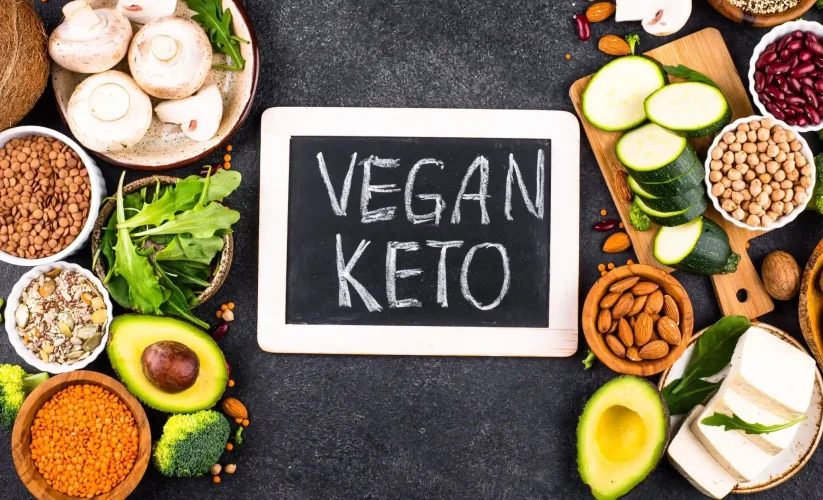
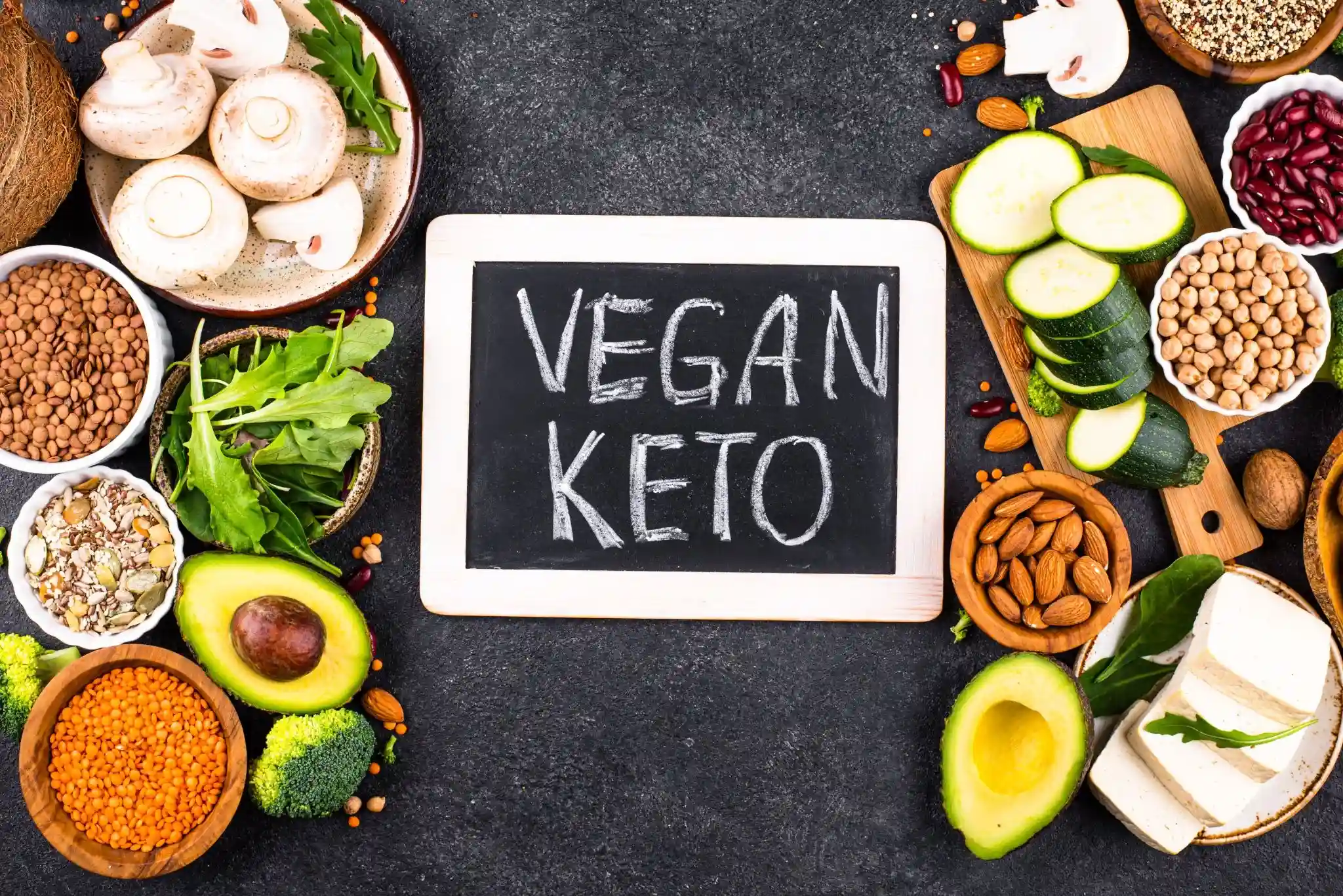
The healthiest ketogenic approaches emphasize vegetables, healthy fats, quality proteins, seeds, nuts, and minimally processed ingredients. Whole-food nutrition matters more than simply reducing carbohydrates.
How Keto Food Trends Influence Energy Levels
One of the biggest reasons people continue ketogenic lifestyles is improved energy consistency.
Fewer Energy Crashes
Traditional high-carb diets may cause rapid glucose spikes followed by energy crashes. Many individuals report steadier energy levels after reducing refined carbohydrates.
Athletic Performance Considerations
The relationship between keto food trends and exercise performance is complex. Endurance athletes sometimes benefit from fat adaptation, while high-intensity athletes may require additional carbohydrates for optimal performance. Personal experimentation often plays a major role.
Sleep and Recovery
Some people experience improved sleep quality after reducing sugar intake, although others initially struggle during the adaptation phase. Balanced nutrition and electrolyte management remain important during ketogenic transitions.
Keto Food Trends and Gut Health
Gut health discussions are increasingly influencing modern nutrition trends.
Fiber Intake Challenges
Poorly planned ketogenic diets may reduce fiber intake because some individuals avoid fruits, legumes, and whole grains entirely. Low fiber intake can negatively affect digestion and gut microbiome diversity.
Healthy Keto Approaches Include Fiber
Nutrient-dense vegetables, chia seeds, flaxseeds, nuts, and low-carb fruits can help maintain digestive health while following ketogenic principles. Modern keto food trends increasingly focus on gut-friendly formulations.
Fermented Foods and Microbiome Support
Foods like kimchi, yogurt, kefir, and sauerkraut are becoming popular within balanced ketogenic lifestyles because they support beneficial gut bacteria.
Social Media’s Influence on Keto Food Trends
Social platforms have dramatically accelerated ketogenic popularity.
Viral Keto Recipes and Influencers
TikTok, YouTube, and Instagram are filled with keto meal ideas, transformation stories, and low-carb cooking tutorials. This accessibility has helped millions learn about ketogenic nutrition.
The Danger of Misinformation
Unfortunately, social media can also spread unrealistic expectations and oversimplified health claims. Extreme keto approaches promoted online may not reflect evidence-based nutrition.
Why Expert Guidance Matters
Registered dietitians and medical professionals increasingly encourage people to evaluate keto food trends critically rather than blindly following viral advice. Scientific credibility matters more than internet popularity.
Keto Food Trends and Long-Term Sustainability
Sustainability remains one of the biggest challenges in ketogenic nutrition.
Why Some People Struggle
Strict carbohydrate restriction can feel socially limiting and emotionally exhausting for certain individuals. Dining out, family gatherings, and travel may become more complicated.
Flexible Low-Carb Approaches
Many experts now recommend flexible low-carb lifestyles instead of extreme ketogenic restriction.m Moderation often improves long-term adherence and overall wellness.
Personalized Nutrition Is the Future
The future of nutrition likely involves personalized dietary approaches rather than universal diet rules. Keto food trends may continue evolving toward more individualized metabolic strategies.
The Future of Keto Food Trends
The ketogenic industry is still expanding rapidly.
Functional Keto Foods Are Growing
Manufacturers increasingly combine ketogenic products with additional health benefits such as probiotics, adaptogens, collagen, and plant-based ingredients.
Cleaner Ingredient Lists
Consumers are becoming more ingredient-conscious. Brands now prioritize transparency, natural sweeteners, and minimally processed formulations.
Medical Research Continues Advancing
Scientists continue exploring ketogenic nutrition in relation to metabolic disease, obesity, neurological disorders, inflammation, and aging. As evidence evolves, keto food trends will likely become more scientifically refined and personalized.
Final Thoughts
Keto food trends have undeniably transformed the modern health and nutrition landscape. From blood sugar management and weight loss to cognitive performance and energy stability, ketogenic eating patterns offer meaningful potential benefits for many individuals. However, the effectiveness of ketogenic nutrition depends heavily on food quality, personalization, and long-term sustainability. Whole-food ketogenic approaches appear far more beneficial than relying on heavily processed low-carb snacks and marketing-driven products.
For people managing blood sugar challenges, reducing refined carbohydrates may improve metabolic health significantly. Still, professional guidance remains important, especially for individuals with diabetes or medical conditions. The future of keto food trends will likely focus less on restrictive dieting and more on balanced, personalized nutrition strategies that support overall wellness.
As research continues advancing, one thing remains clear: mindful eating habits and nutrient quality matter far more than following trends blindly.
FAQs
How do keto food trends help stabilize blood sugar levels?
Keto food trends help stabilize blood sugar by reducing carbohydrate intake, which minimizes glucose spikes after meals. Many people experience steadier energy levels and improved insulin sensitivity when following balanced low-carb eating patterns. However, results vary depending on food quality, lifestyle habits, physical activity, and individual metabolic health conditions.
Are keto food trends safe for people with diabetes?
Keto food trends may benefit some people with type 2 diabetes by improving blood sugar control and reducing insulin resistance. However, ketogenic diets should be approached carefully under medical supervision, especially for individuals using insulin or glucose-lowering medications. Personalized healthcare guidance helps ensure nutritional safety and balanced long-term diabetes management strategies.
Can keto food trends improve mental focus and energy?
Many individuals report improved mental clarity and steadier energy while following ketogenic eating patterns. Ketones provide an alternative fuel source for the brain, and reduced blood sugar fluctuations may decrease fatigue and brain fog. However, adaptation periods vary, and balanced nutrient intake remains essential for sustainable cognitive performance and wellness.
Why are processed keto foods sometimes unhealthy?
Some processed keto products contain artificial sweeteners, refined oils, preservatives, and inflammatory ingredients despite being low in carbohydrates. These foods may technically fit ketogenic guidelines but still provide poor nutritional quality. Whole-food ketogenic eating generally supports better health outcomes than relying heavily on packaged snacks and ultra-processed convenience products.
Are keto food trends sustainable long term?
The sustainability of keto food trends depends on flexibility, food variety, and individual lifestyle preferences. Some people successfully maintain low-carb habits for years, while others struggle with restrictive eating patterns. Many nutrition experts now recommend balanced and personalized approaches rather than extreme carbohydrate elimination for long-term health success.