Can Keto Food Trends Be Adapted for Vegetarians and Vegans?

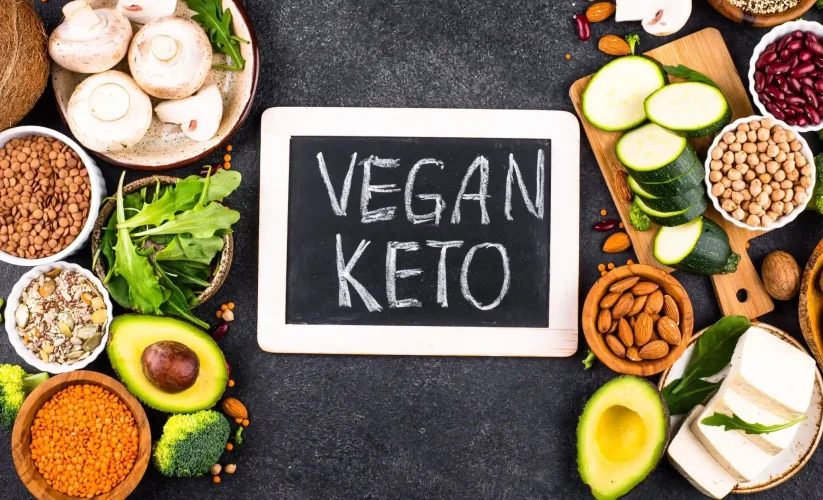
The rise of keto food trends has reshaped how people think about diet, weight management, and energy levels. Traditionally, the ketogenic diet is built around high fat, moderate protein, and very low carbohydrates. But most versions rely heavily on animal-based foods. This raises an important question today: can keto principles actually work for vegetarians and vegans?
The answer is not simple. It is possible to adapt parts of keto for plant-based lifestyles, but it requires careful planning, ingredient awareness, and a clear understanding of nutritional balance. The challenge is not just removing meat. It is replacing it without losing essential nutrients or breaking ketosis.
Understanding the Rise of Keto Food Trends in Modern Diet Culture
Keto food trends became popular because they challenge traditional ideas about weight loss. Instead of focusing on low fat or calorie restriction, keto emphasizes reducing carbohydrates to push the body into a metabolic state called ketosis.
In ketosis, the body uses fat as its primary energy source instead of glucose. This shift has been linked to weight loss, improved energy stability, and better appetite control for some individuals.
The global popularity of keto is also tied to personalization. People are no longer following one-size-fits-all diets. Instead, they are experimenting with eating patterns that match their lifestyle and health goals. Keto fits into this trend because it is flexible in structure, even if strict in composition.
However, traditional keto diets are heavily dependent on meat, eggs, fish, and dairy. This is where challenges begin for vegetarians and vegans who want to follow the same principles.
Core Principles of Keto and Where Plant-Based Diets Differ
To understand adaptation, it is important to understand structure first.
Carbohydrate Restriction and Ketosis Explained
Keto works by significantly reducing carbohydrate intake, usually to very low levels. This forces the body to burn fat for fuel. The goal is to maintain a state of ketosis consistently.
For plant-based eaters, this becomes complicated because many vegetarian and vegan staples, like grains, legumes, and fruits, are high in carbohydrates. Removing them requires careful substitution planning.
Protein and Fat Sources in Animal-Based Keto Diets
Traditional keto relies on animal products for both fat and protein. Foods like eggs, cheese, butter, meat, and fish provide dense nutrition with minimal carbs.
These foods are naturally low in carbohydrates and help maintain ketosis easily. This is one reason why standard keto diets are simpler to follow.
Nutritional Gaps When Removing Animal Products
When animal products are removed, the risk of nutrient gaps increases. Protein quality, vitamin B12, iron, and omega-3 fatty acids become harder to obtain.
This does not make plant-based keto impossible, but it does make it more complex and requires strategic food choices.
How Vegetarian Diets Can Align with Keto Food Trends
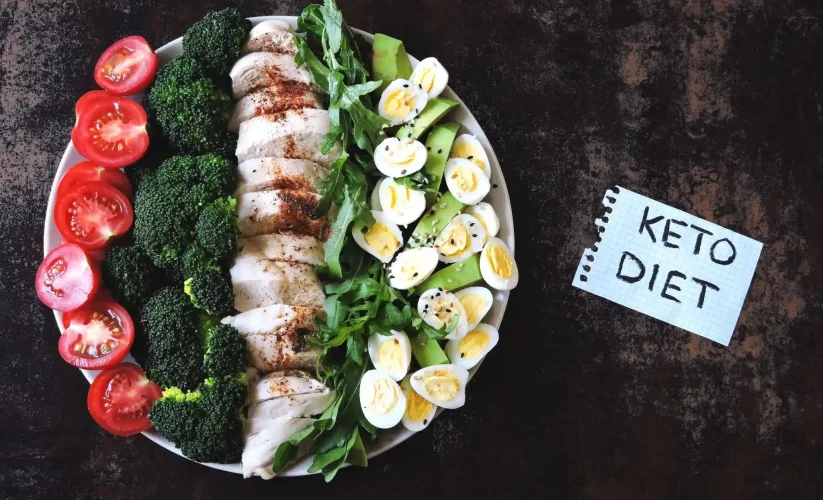
Vegetarian keto is more realistic than vegan keto because it allows certain animal products like eggs and dairy.
Vegetarians can still follow keto food trends by focusing on low-carb vegetables, healthy fats, and protein from eggs and dairy sources. This helps maintain ketosis without completely removing all high-quality animal-based nutrients.
Dairy products like cheese, yogurt, and cream often become key components in vegetarian keto. They provide fat and protein while keeping carbohydrates relatively low.
Eggs are another important food. They are nutrient-dense, versatile, and keto-friendly.
However, even vegetarian keto requires careful control of legumes, grains, and high-carb vegetables, which are usually common in vegetarian diets.
Vegan Keto Adaptation: Possibilities and Limitations
Vegan keto is much more restrictive. It removes all animal products, which eliminates common keto staples like eggs and dairy.
Plant-Based Fat Sources That Support Ketosis
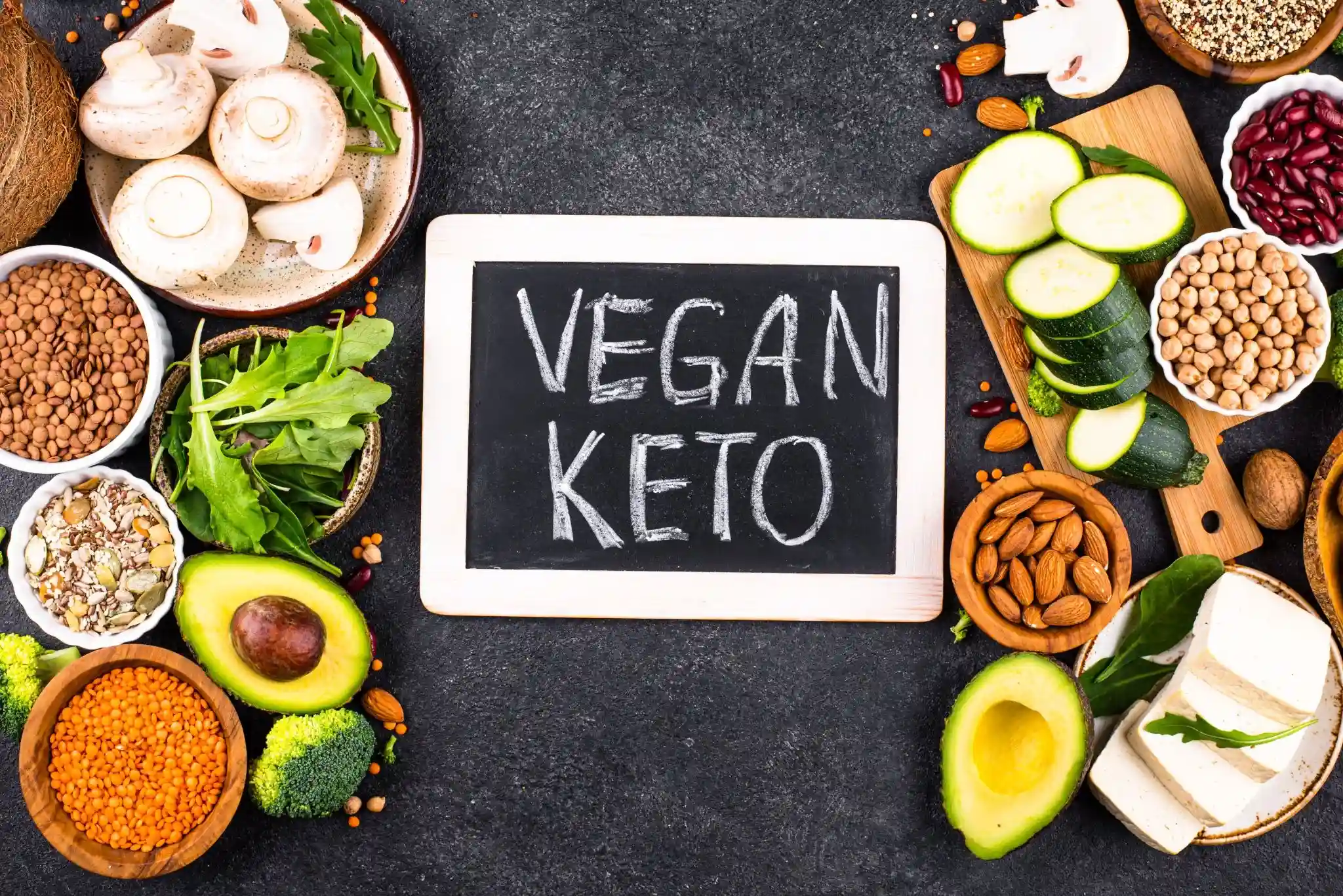
The foundation of vegan keto is fat. Good plant-based fat sources include avocados, coconut oil, olive oil, nuts, seeds, and nut butters.
These foods help maintain calorie intake and support ketosis without relying on animal products.
Coconut products are especially important because they contain medium-chain triglycerides (MCTs), which can be quickly converted into energy.
Low-Carb Vegetables and Nutrient Planning
Not all vegetables fit into keto. Leafy greens, zucchini, cauliflower, and cucumbers are commonly used in vegan keto diets.
These vegetables are low in carbohydrates and provide essential fiber and micronutrients.
Careful planning is needed to avoid overconsumption of hidden carbs found in starchy vegetables or processed vegan foods.
Difficulties in Meeting Protein Requirements on Vegan Keto
Protein is the biggest challenge in vegan keto. Most plant-based protein sources like beans, lentils, and chickpeas are too high in carbohydrates for ketosis.
This leaves limited options such as tofu, tempeh, and certain seeds. Even then, protein intake may be lower than traditional keto diets.
This makes vegan keto difficult to sustain long-term without supplementation or careful diet structuring.
Popular Vegetarian and Vegan Keto-Friendly Foods
Despite limitations, several foods support plant-based keto food trends.
Nuts and seeds are central to both vegetarian and vegan keto diets. Almonds, chia seeds, flaxseeds, and walnuts provide healthy fats and moderate protein.
Avocados are another staple. They are low in carbs and high in healthy fats, making them ideal for ketosis.
Coconut-based products like coconut milk, coconut flour, and MCT oil are widely used in keto recipes.
Plant-based dairy alternatives such as almond milk or coconut yogurt can also be included, although labels must be checked carefully for added sugars.
These foods form the foundation of plant-based keto eating.
Meal Planning Strategies for Plant-Based Keto Lifestyles
Meal planning is essential for success. Without structure, it becomes easy to consume too many carbs or miss key nutrients.
Balancing Macros Without Animal Protein
The biggest challenge is maintaining the correct balance of fats, proteins, and carbohydrates. Plant-based eaters must rely heavily on nuts, seeds, tofu, and oils to meet fat and protein needs.
Creating Satisfying Low-Carb Meal Combinations
Meals must be carefully designed to avoid boredom. For example, combining avocado, leafy greens, and seeds can create balanced dishes that are filling and keto-friendly.
Avoiding Common Nutritional Deficiencies
Nutrients like vitamin B12, iron, and omega-3 fatty acids are harder to obtain in plant-based keto diets. Supplements or fortified foods are often necessary to maintain long-term health.
Health Benefits and Risks of Plant-Based Keto Diets
Plant-based keto diets can offer certain benefits. These may include improved weight management, stable energy levels, and reduced reliance on processed carbohydrates.
However, there are risks. Restricting both animal products and carbohydrates can make it difficult to maintain balanced nutrition.
Energy levels may drop if calorie intake is not carefully managed. Nutrient deficiencies are also a real concern without proper planning.
Because of these factors, professional guidance is often recommended when following strict keto food trends in a plant-based form.
Real-World Examples of Plant-Based Keto Adaptation
Some fitness enthusiasts experiment with vegan or vegetarian keto diets to explore alternative nutrition strategies. These individuals often focus on high-fat plant foods and strict carb tracking.
Plant-based athletes sometimes adjust keto principles rather than following them strictly. They may cycle carbs or increase plant protein intake while still maintaining a low-carb approach.
Social media has also influenced the popularity of vegan keto experiments. However, not all shared experiences are medically balanced, which makes personal research important.
Challenges in Sustaining Vegan and Vegetarian Keto Diets
The biggest challenge is sustainability. Food variety is limited, which can lead to meal fatigue over time.
Maintaining ketosis consistently is also difficult due to hidden carbohydrates in plant-based foods.
Social eating situations can be challenging as well, especially when food options are limited.
Long-term adherence requires discipline, planning, and flexibility, which is why many people modify rather than strictly follow plant-based keto.
Future of Keto Food Trends in Plant-Based Nutrition
The future of keto food trends is likely to become more flexible. Food innovation is already creating plant-based keto products that mimic traditional keto foods.
Companies are developing low-carb vegan snacks, high-fat plant-based products, and better protein alternatives.
As demand grows, it is likely that plant-based keto will become more accessible and easier to follow.
This evolution reflects a broader trend in nutrition: personalization over restriction.
Conclusion
Adapting keto food trends for vegetarians and vegans is possible, but it requires careful planning and awareness. Vegetarian keto is more practical due to dairy and eggs, while vegan keto is more restrictive and challenging.
Both approaches depend heavily on plant-based fats, strategic meal planning, and nutrient awareness. While benefits like weight management and energy stability are possible, risks such as nutrient deficiencies must be managed carefully.
In the end, plant-based keto is less about perfection and more about balance. With the right strategy, it can be adapted, but it is not a one-size-fits-all solution for everyone.