Which Blenders and Kitchen Tools Are Best for Making a Healthy Smoothie?

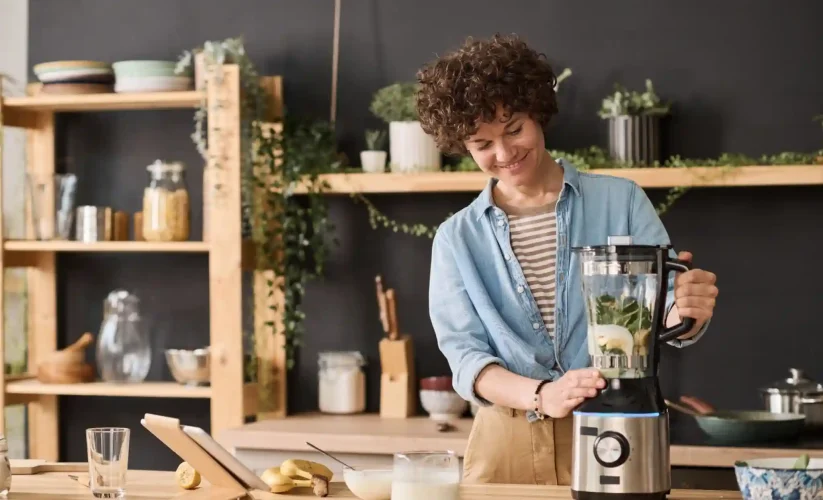
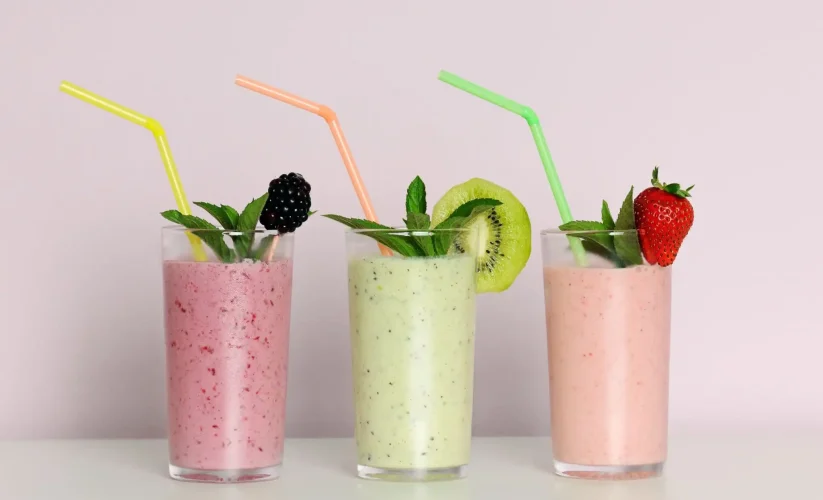
Healthy smoothies have become a staple in modern diets, offering a convenient and delicious way to consume essential nutrients. Whether you’re aiming to improve your health, boost energy levels, or maintain a balanced diet, smoothies provide a flexible solution that can be tailored to individual needs.
However, the quality of your smoothie depends heavily on the tools you use. A poorly blended smoothie with uneven textures or unprocessed ingredients can ruin the experience, while the right equipment can create a smooth, creamy, and enjoyable drink every time.
In 2026, kitchen technology has advanced significantly, offering a wide range of blenders and tools designed specifically for health-focused lifestyles. From high-powered blenders to compact personal devices, the options can be overwhelming. Understanding what makes a blender effective, and what additional tools can enhance your smoothie-making process, is essential for achieving the best results.
This guide explores the best blenders and kitchen tools for making healthy smoothies, helping you choose the right equipment for your needs and lifestyle.
Why the Right Blender Matters for Smoothies
At first glance, making a smoothie may seem simple. You add ingredients, press a button, and blend. However, the reality is that not all blenders perform the same way.
The difference lies in power, blade design, and overall build quality. A weak blender may struggle with frozen fruits, leafy greens, or nuts, resulting in a chunky or inconsistent texture. On the other hand, a high-quality blender can break down tough ingredients effortlessly, creating a silky-smooth consistency.
Texture plays a major role in the enjoyment of smoothies. A well-blended smoothie feels creamy and uniform, while a poorly blended one can feel gritty or uneven. This is particularly important when using ingredients like spinach, kale, seeds, or protein powders.
Additionally, a powerful blender ensures better nutrient extraction. Proper blending helps release nutrients from ingredients, making them easier for the body to absorb.
Types of Blenders for Smoothie Making
Choosing the right blender starts with understanding the different types available. Each type serves a specific purpose and suits different lifestyles.
High-performance blenders are considered the gold standard for smoothie enthusiasts. These machines are designed with powerful motors that can handle almost any ingredient, including ice, frozen fruits, nuts, and fibrous vegetables. They produce exceptionally smooth textures and are ideal for those who make smoothies regularly or include tougher ingredients in their recipes.
Personal blenders, on the other hand, are compact and convenient. They are perfect for individuals who need quick, single-serving smoothies. These blenders often come with portable cups, making them ideal for busy lifestyles. While they may not be as powerful as high-performance models, they are sufficient for basic smoothie recipes.
Countertop blenders fall somewhere in between. They offer a balance of power and affordability, making them suitable for most households. They can handle a variety of ingredients, although they may struggle with very tough or fibrous items.
Immersion blenders are less commonly used for smoothies but can still be effective for softer ingredients. They are handheld devices that blend directly in a container. While convenient, they lack the power needed for more complex smoothie recipes.
Key Features to Look for in a Blender
When choosing a blender, several features determine its performance and suitability for smoothie making.
Motor power is one of the most important factors. A higher wattage generally means better blending capability. Powerful motors can crush ice, blend frozen fruits, and process tough greens without difficulty.
Blade design also plays a crucial role. Sharp, durable blades made from high-quality materials ensure efficient blending. The angle and arrangement of the blades affect how well ingredients are circulated and processed.
The jar or container is another important consideration. Larger jars are suitable for families or batch preparation, while smaller ones are ideal for personal use. Materials such as glass or high-quality plastic offer durability and safety.
Speed settings and controls allow for greater flexibility. Multiple speed options enable you to adjust the blending process based on the ingredients. Some blenders also include preset programs specifically designed for smoothies.
Ease of cleaning is often overlooked but essential. Blenders that are easy to clean encourage regular use. Many modern models offer self-cleaning features, saving time and effort.
Best Blender Types for Different Needs
The best blender for you depends on your lifestyle and preferences.
For health enthusiasts who prioritize quality and versatility, high-performance blenders are the best choice. They deliver consistent results and can handle a wide range of recipes beyond smoothies.
For individuals with busy schedules, personal blenders offer convenience and portability. They allow you to prepare smoothies quickly and take them on the go.
For families or shared households, countertop blenders provide a practical solution. They offer sufficient power for most needs while being more budget-friendly than premium models.
Essential Kitchen Tools for Smoothie Preparation
While the blender is the centerpiece, other kitchen tools can enhance the smoothie-making process.
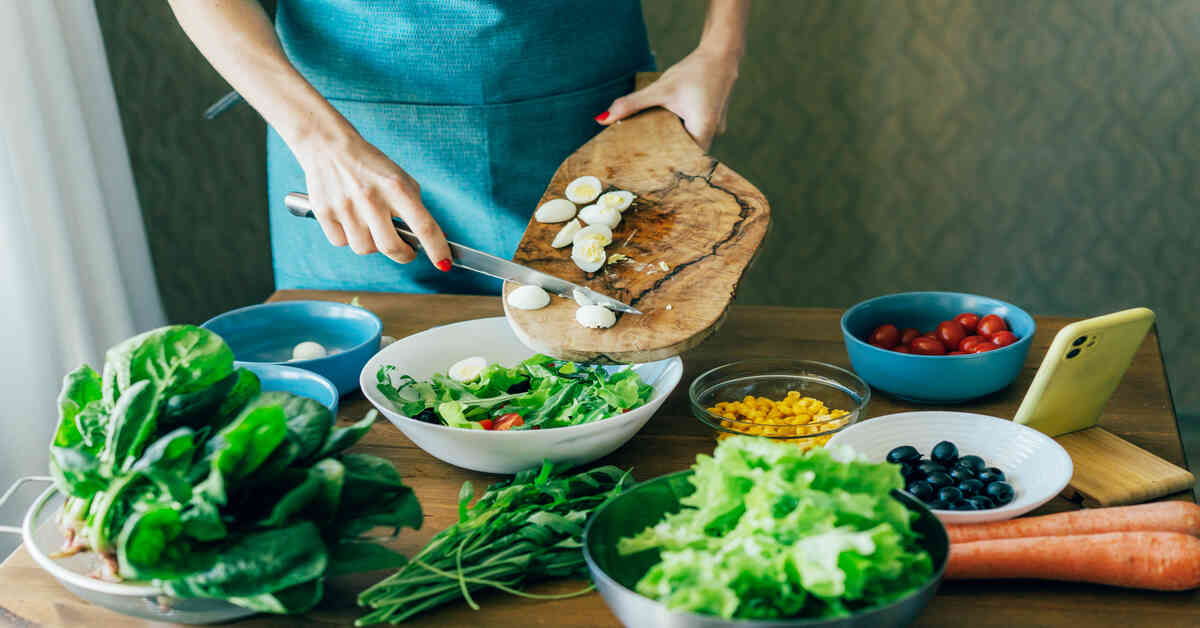
A good quality knife is essential for preparing ingredients. Cutting fruits and vegetables into smaller pieces ensures smoother blending and reduces strain on the blender.
Measuring cups and spoons help maintain consistency in recipes. Accurate measurements ensure balanced flavors and nutritional content.
A cutting board provides a safe and organized workspace for preparation.
Storage containers are useful for pre-preparing ingredients or storing smoothies. Airtight containers help preserve freshness and prevent contamination.
Reusable smoothie cups or bottles make it easier to take your drinks on the go, promoting convenience and sustainability.
The Role of Ingredients in Smoothie Quality
Even the best tools cannot compensate for poor ingredient choices. The quality of your smoothie depends on the ingredients you use.
Fresh fruits and vegetables provide natural flavor and nutrients. Frozen ingredients are also popular, as they add thickness and eliminate the need for ice.
Liquid bases such as water, milk, or plant-based alternatives determine the consistency. The right balance of liquid and solid ingredients ensures smooth blending.
Add-ins such as protein powder, seeds, and nuts enhance nutritional value but require a powerful blender for proper integration.
Balancing Texture and Flavor
Creating the perfect smoothie involves balancing texture and flavor. Too much liquid can make the smoothie watery, while too little can make it too thick.
A well-balanced smoothie should be creamy, smooth, and easy to drink. Adjusting ingredient proportions and blending time helps achieve the desired consistency.
Flavor is equally important. Combining sweet and neutral ingredients creates a more enjoyable taste. Experimentation is key to finding the perfect combination.
Common Mistakes to Avoid
Many people encounter issues when making smoothies due to common mistakes.
Using a low-powered blender can result in uneven textures and unprocessed ingredients. Overloading the blender can also affect performance and consistency.
Adding ingredients in the wrong order can hinder blending. Typically, liquids should be added first, followed by softer ingredients, and then harder items.
Ignoring cleaning can lead to residue buildup and unpleasant odors. Regular cleaning ensures hygiene and prolongs the life of the blender.
Maintenance and Longevity of Your Blender
Proper maintenance is essential for keeping your blender in good condition.
Cleaning the blender immediately after use prevents residue from hardening. Regular inspection of blades and components ensures optimal performance.
Avoiding overuse and following manufacturer guidelines helps extend the lifespan of the appliance.
Health Benefits of Smoothies
Smoothies offer numerous health benefits when prepared correctly.
They provide a convenient way to consume fruits and vegetables, supporting overall nutrition. They can be customized to meet specific dietary goals, such as weight management, muscle building, or detoxification.
Smoothies also promote hydration and can serve as a quick meal replacement for busy individuals.
FAQs
1. What type of blender is best for making smoothies?
The best blender for making smoothies depends on your needs, but high-performance blenders are generally the most effective. They offer powerful motors and durable blades that can handle tough ingredients like frozen fruits and leafy greens. Personal blenders are also a good option for convenience and portability. Choosing the right type ensures better texture, consistency, and overall smoothie quality.
2. Can I make smoothies without a high-powered blender?
Yes, you can make smoothies without a high-powered blender, but the results may vary. Softer ingredients like bananas, yogurt, and berries blend easily in standard blenders. However, tougher ingredients such as ice, nuts, or fibrous greens may not blend smoothly. Using smaller pieces and adding more liquid can help improve the texture when using a less powerful blender.
3. What kitchen tools are essential for smoothie preparation?
Essential kitchen tools for smoothie preparation include a sharp knife, cutting board, measuring cups, and storage containers. These tools help with ingredient preparation, portion control, and organization. While the blender is the most important tool, having these additional items ensures a smoother and more efficient process, especially when preparing ingredients in advance.
4. How can I make my smoothies smoother and creamier?
To achieve a smoother and creamier texture, use a powerful blender and balance your ingredients properly. Adding enough liquid helps the blending process, while ingredients like bananas, yogurt, or avocado enhance creaminess. Blending for a longer duration also improves consistency. Avoid overloading the blender, as this can prevent proper circulation and result in uneven textures.
Final Thoughts
Choosing the right blender and kitchen tools is essential for making high-quality, healthy smoothies. The right equipment not only improves texture and flavor but also makes the process more efficient and enjoyable. Investing in a reliable blender ensures consistent results and allows you to experiment with a wide range of ingredients and recipes.
Ultimately, smoothie making is about simplicity, balance, and consistency. With the right tools and approach, it becomes an easy and rewarding part of a healthy lifestyle. Whether you are a beginner or a seasoned smoothie enthusiast, having the right setup can transform your daily routine and support your long-term wellness goals.